
After a delightful stay at the Buddha Zen Hotel, Felipe and his mum eagerly embarked on another day of exploration. Here is the route map for our exciting day:
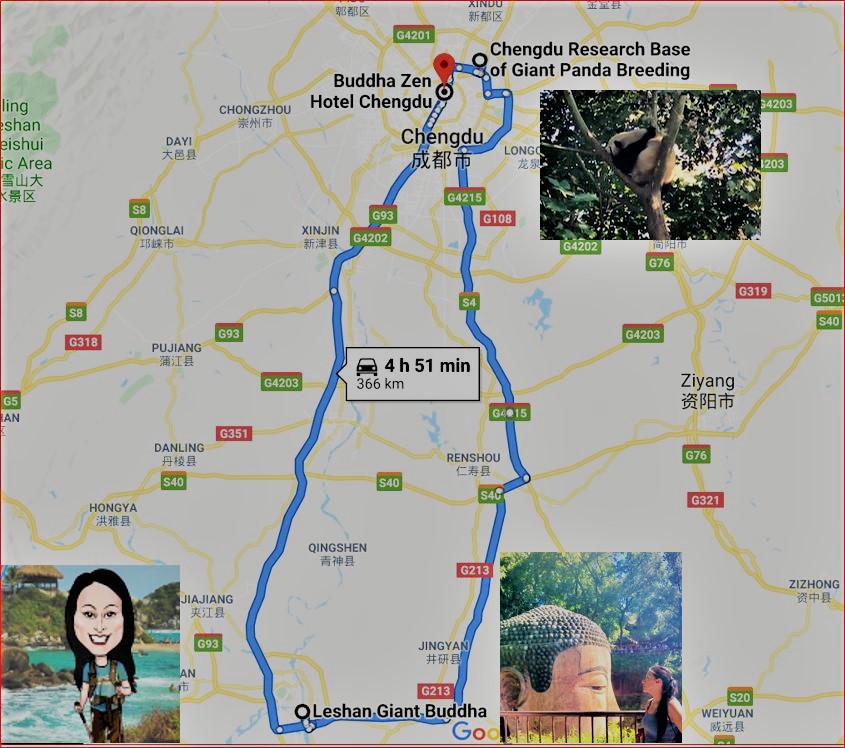
The Panda Research Breeding of Giant Pandas: Wonders of Chengdu
The Panda Center, situated 10 km from Chengdu city centre, was meticulously designed to replicate the natural habitat of giant pandas, creating an ideal environment for their breeding and preservation. As anticipated, the site buzzed with visitors, a familiar scene from our travels across China. However, having perfected the art of navigating through crowds, we strolled through the multitude with ease. Despite the hot and humid weather, the heartwarming sight of the pandas provided comfort throughout the day.


These magnificent creatures have rightfully become a Chinese national treasure, cherished and admired worldwide. Giant Pandas, native to the Sichuan region, find an ideal haven for breeding in this very region. However, the sobering reality is that today, there are fewer than 2,000 pandas globally, with the majority residing in Sichuan. The critical mission of this research center takes center stage, as its primary objective is the breeding and preservation of these precious pandas
Felipe and I were eager to catch a glimpse of the adorable baby pandas, so we patiently queued up. The wait was well worth it as the nurseries revealed an enchanting sight of these little ones. The staff efficiently managed the crowds, allowing us and others to enjoy a quick but delightful look through the windows. It was a fantastic idea, ensuring both adults and children had a pleasant experience without feeling too crowded.



We had such joy from observing these delightful animals; their charm is truly fascinating! Each panda exuded a sense of relaxation and bliss, creating a serene atmosphere. A particularly special moment was witnessing the adorable panda families, where mothers and their young ones engaged in playful interactions, creating heart-warming scenes that left a lasting impression

Even amidst the crowds, I found the site to be well-structured with accessible exhibitions that showcased the various stages of a panda’s life. From adorable babies in incubators to playful toddlers and majestic adults, the displays offered a comprehensive view. Our guide, Sammy, shared fascinating insights, mentioning that over 70 pandas call this base home.
Venturing into another section of the center, we were treated to the sight of other species, including the beautiful red pandas. They struck me as resembling enchanting foxes, akin to characters plucked from a childhood bedtime story. Witnessing them up close was a stroke of luck, considering these lovely creatures are also on the list of endangered wild animals.
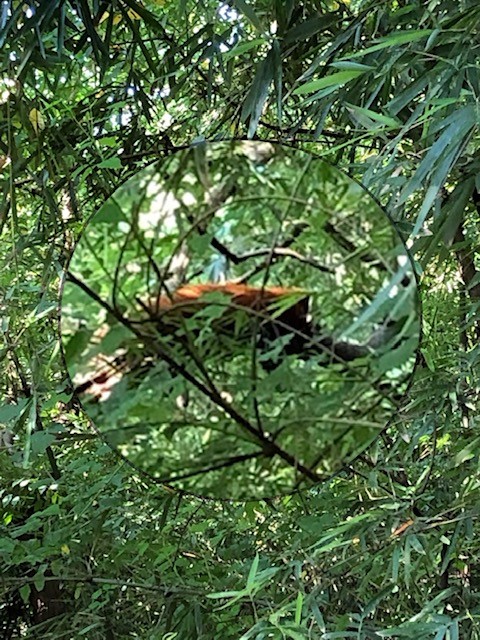
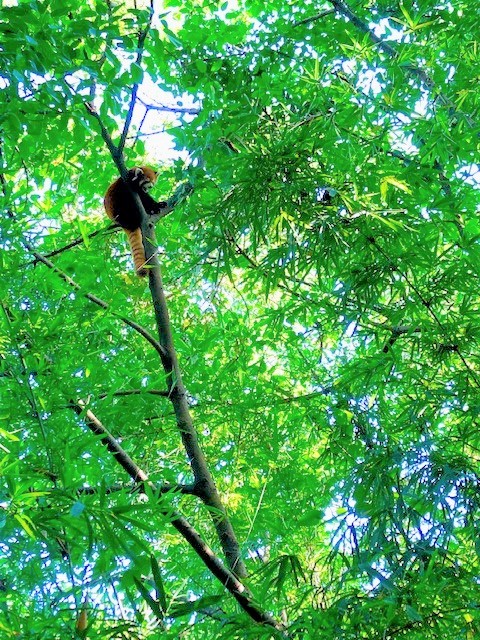

Strolling among the vibrant green bamboo trees and bright flowers, we meandered along peaceful pathways, concluding our visit with smiles on our faces.
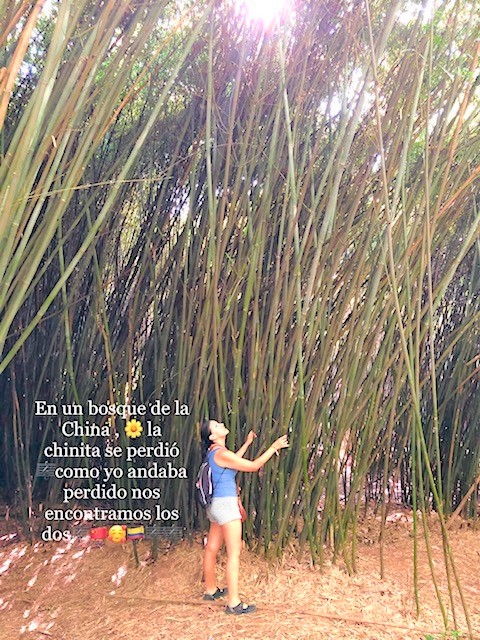

Undoubtedly, an extraordinary place to visit, offering a rare and exceptional opportunity to witness pandas up close. Visitors must perceive the center not merely as a ‘zoo’ but as a hub for vital research and investigation. Given the bustling atmosphere, I recommend arriving early and dedicating at least 3 to 4 hours to fully appreciate the experience. And, of course, it’s wise to bring plenty of water for a comfortable exploration
Leshan Giant Buddha: Unveiling the Majesty of a Cultural Marvel
Immediately following our exploration of Pandaland, we embarked on a 195 km journey south of Chengdu towards Leshan. Arriving at 3 pm, we took a brief stop for lunch on the way. Located east of Leshan city, at the confluence of the Min, Qingyi, and Dadu rivers, the Giant Buddha awaited. The journey, including the lunch break, took us a total of 3 hours.

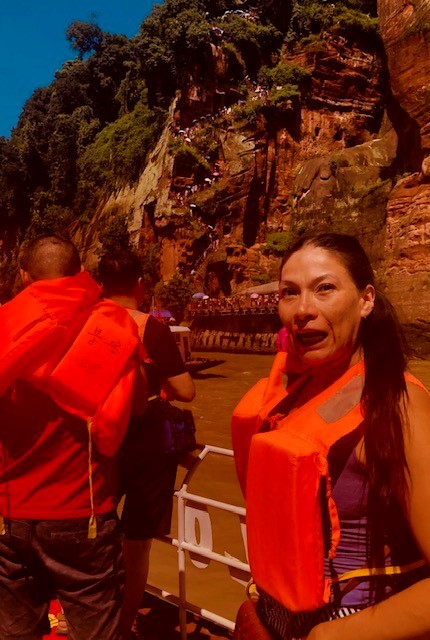
Boat ride: Our first venture was a 30-minute boat ride, offering a sweeping scenic perspective of the Giant Buddha. This was a brilliant approach given the sheer magnitude of the structure (over 70 meters high and 9 meters wide). Observing it from the boat not only provided an excellent vantage point but also allowed us to appreciate the intricate details of its carvings. Witnessing the colossal Buddha intricately chiselled into the side of the cliff was truly awe-inspiring. The sculpture, portraying a monk with a subtle smile and an uncovered chest in a sitting posture, added to the captivating spectacle.
The narrative of the Giant Buddha, as shared by Sammy, traces its origins back to the year 713, during the Tang Dynasty. Driven by concern for the safety of the local fishermen who struggled with the turbulent waters at the confluence of the three rivers, a compassionate monk named Hai Tong initiated the monumental project. His vision was to carve the Buddha as a means to appease the water spirit and bring about a sense of control over the unpredictable waters
Over nearly 90 years, the carving of the Giant Buddha faced intermittent delays, often attributed to insufficient funding. However, fueled by the unwavering persistence of the community and the collaborative efforts of thousands of skilled workers, the monumental task was successfully completed in 803.


Following the boat ride, we explored the site on foot and ascended 333 steps to reach the rooftop, providing a unique view of the statue’s head. While many visitors queued to descend to the Buddha’s feet, we opted out due to the lengthy wait of approximately 2 hours. Feeling that we had already fully appreciated the site, our visit, though bustling, was undeniably exceptional.

“I thought the secret of life was obvious: be here now, love as if your whole life depended on it, find your life’s work, and try to get hold of a giant panda and the giant Buddha!!!!!!!!! ..”
With love
❤️
From
Jenny
 Jenny Sky Is The Limit
Leave a comment