Once again, an early start marked our day as we prepared for the 6:27 am train from Beijing to Xi’an, requiring us to be ready by 5:30 am. At this point, Felipe had become accustomed to the brisk pace of my travel adventures. It was evident that he was developing a deeper appreciation for the wonderful experiences that travelling brings. To add an extra layer of excitement, I introduced a travel points system tailored especially for him. This game allowed him to earn travel points with each contribution to the trip, making each day more interesting for both of us. The enthusiasm he showed for the idea added a delightful dimension to our journey.
Embarking on the High-Speed Journey: Beijing to Xi’an by Train
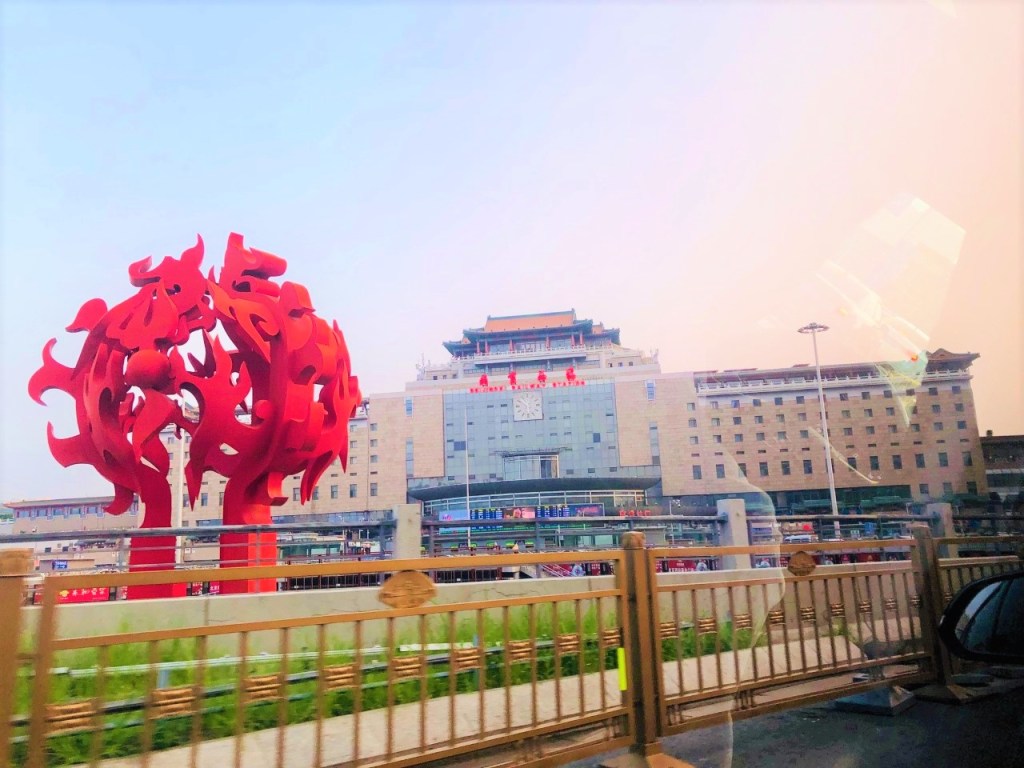
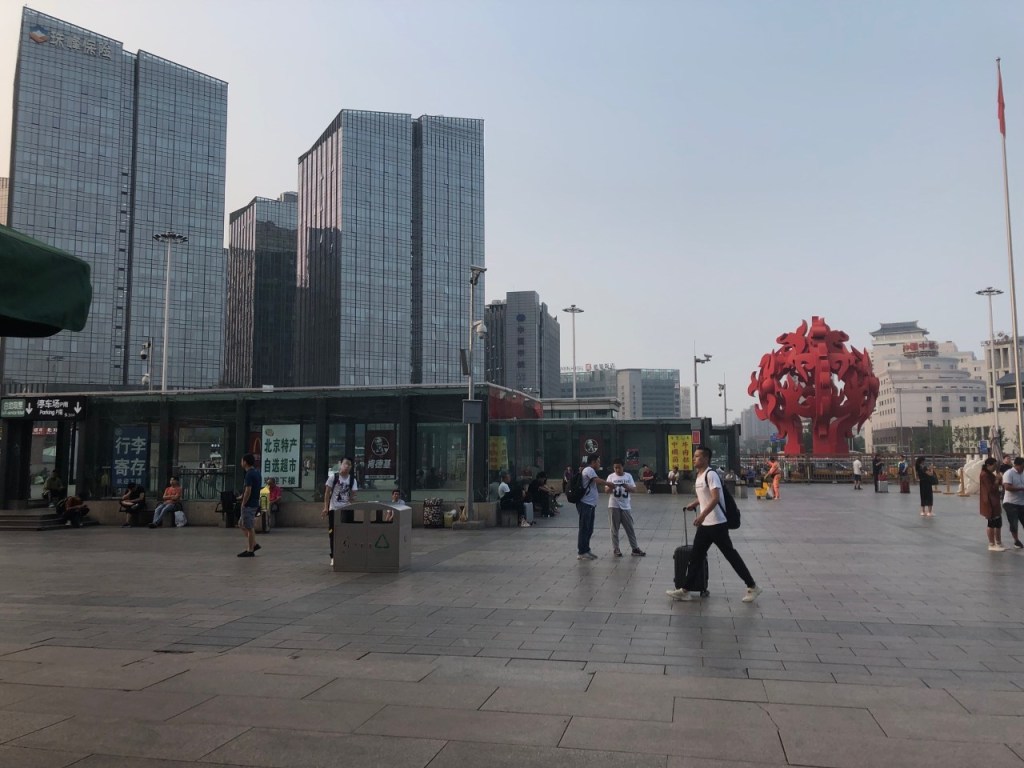
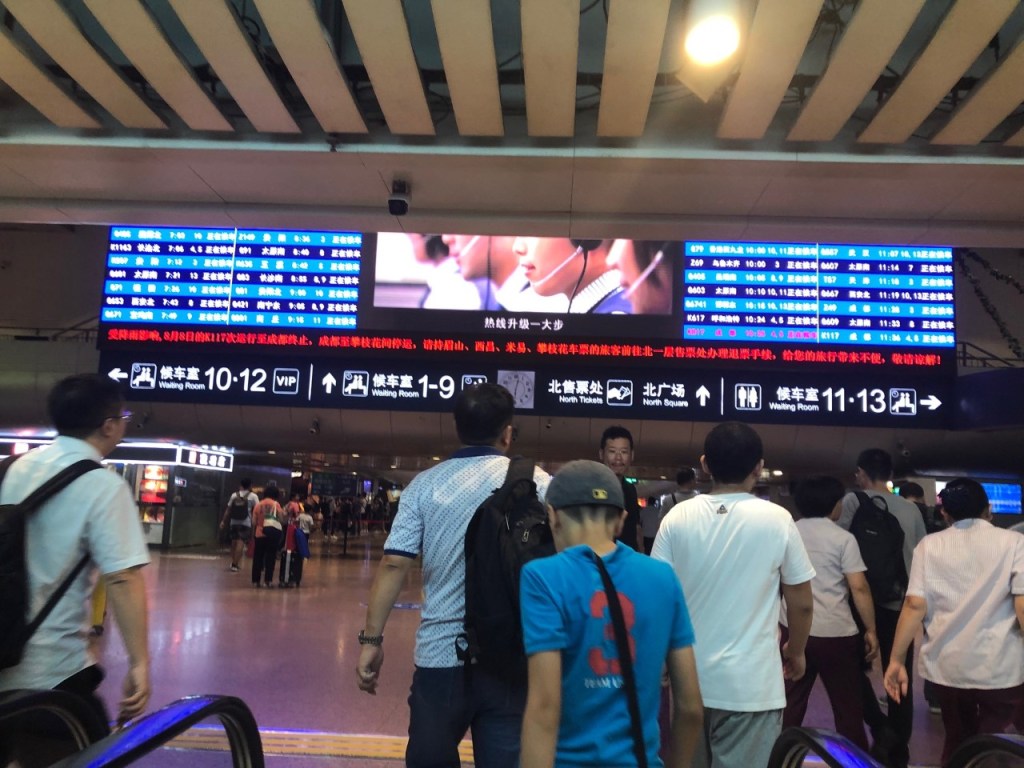
Embarking on our high-speed adventure, we departed from Beijing West Rail Station to reach Xi’an. Conveniently located just 10 km from the city centre, a quick 25-minute car drive from our hotel had us at the bustling station. Known for its high-speed trains, or ‘bullet trains‘ as locals call them, Beijing West Rail Station is a bustling hub managing over 150,000 passengers daily. The sheer volume of travellers made the station entrance a bustling and lively scene.
Blasting through the 1216 km distance between Beijing and Xi’an in a mere 4 hours and 20 minutes, the bullet trains showcase their prowess, reaching a top speed of 300 k.p.h.

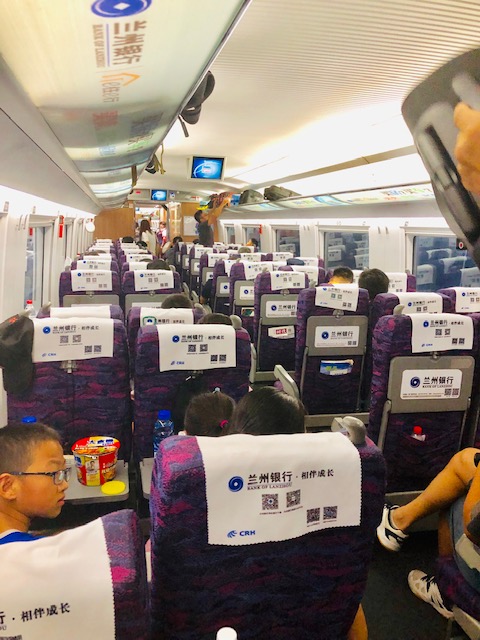
Providing travellers with a range of seating options, the bullet trains feature 2nd class, 1st class, and Business class. Opting for the second-class seats during our journey, we enjoyed the 3-2 seating layout configuration. Thanks to our colleague in Beijing, who secured our seats on the two-seating side, our travel experience was both comfortable and spacious.
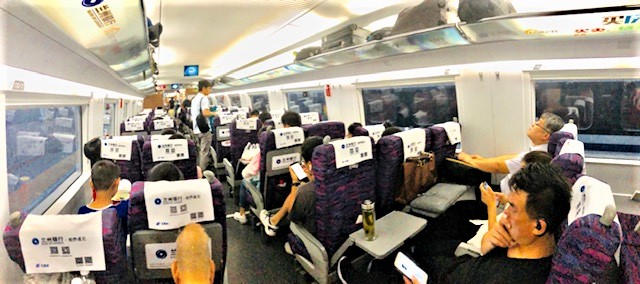
I checked also the other seating options:
First-class seating boasts a 2-2 layout configuration, with seats that are 3 cm larger than their second-class counterparts. The premium comfort comes at a cost, of approximately 40% more than second-class seats. For those seeking the epitome of luxury, Business-class seating offers a 2-1 layout, surpassing even first-class comfort. These seats can be converted into a flatbed of 180 degrees. Priced at three times more than second-class seats (approximately £190), they provide a generous 2-meter space between rows. Business-class passengers enjoy additional perks, including access to the VIP lounge, complimentary meals, and snacks. Some trains even feature seats that can rotate from side to side, offering a unique perspective of the landscape during the journey.
Communicating with the train attendants posed a slight challenge due to their limited English proficiency, making it difficult to request specific meals and snacks, especially vegetarian and egg-free options. Despite this, the overall train journey was smooth and comfortable. The presence of power slots in the seats proved to be particularly useful, ensuring my mobile stayed charged throughout the trip.
Exploring the Magnificent Terracotta Army: A Journey into Ancient History
Upon our arrival at Xian Train Station, a warm welcome awaited us as our knowledgeable local guide, Lucy, greeted us at the arrival gate. Our first destination was the renowned Terracotta Army archaeological site, situated 45 km from Xian. During our journey, Lucy shared fascinating insights into the discovery of the army in March 1974. It was an accidental find by farmers digging a water well near Mount Li, the site of Emperor Qin Shi Huang’s tomb. (For more details, you can check the video down below.)

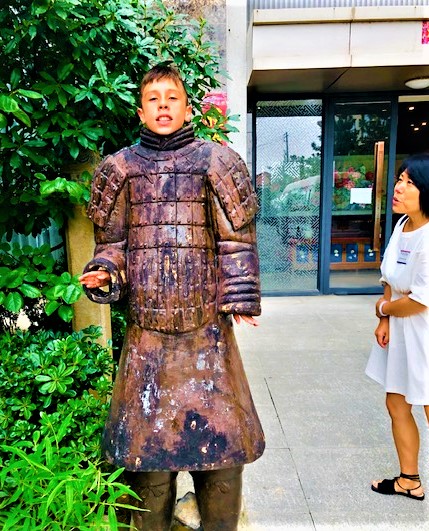
The purpose of the army was to safeguard Emperor Qin Shi Huang in the afterlife and serve as a testament to his glory. As the visionary leader who unified the states, he laid the foundation for one of the most formidable empires in China’s history.
As anticipated, the archaeological site was bustling with crowds upon our arrival. Lucy’s foresight proved invaluable, as she had pre-arranged our entry tickets, making our visit much more convenient amid the throngs of people.

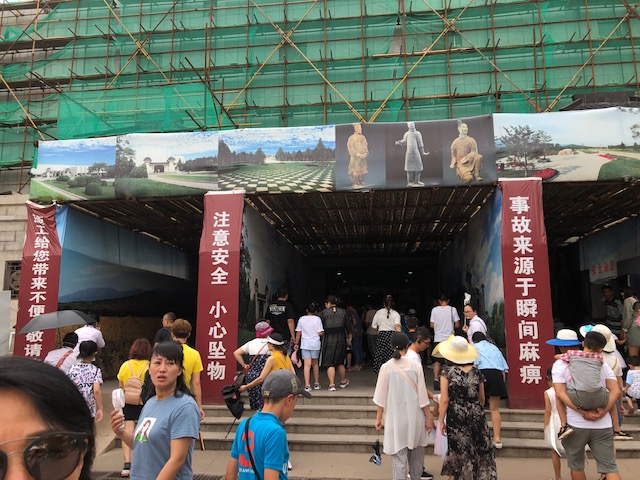
The terracotta warriors stand as a marvel of history, and it’s no wonder that their discovery is hailed as one of the greatest of the 20th century! Witnessing each meticulously sculpted figure with its unique facial expression left me in awe. It felt as if they were trying to convey something profound. My imagination transported me back in time, contemplating the moments of their sculpting. I couldn’t help but wonder about the army of people who must have worked on them, pondering their thoughts, beliefs, and the dedication that went into creating these extraordinary artefacts.
Exploring all three pits, we successfully navigated the ‘walk and push’ system, manoeuvring through the crowds to observe the terracotta warriors up close and capture some memorable photos. Yet, the sheer volume of people at times left us feeling a bit exhausted.
It was evident that Felipe was deeply impressed by the warriors. He stood, captivated, gazing at them for an extended period. Embracing the Chinese approach of pushing and advancing ‘des-pa-ci-to,’ he skillfully navigated through the crowd, showing determination without a hint of apology.
Pit No. 1 houses the majority of the army, boasting over 6000 statues, with approximately 2000 having been restored or uncovered. The pit is structured with various corridors and spans an impressive length of approximately 230 meters.
Moving on to Pit 2, we encountered the cavalry, infantry, and even some chariots, offering a diverse glimpse into the terracotta army’s composition.
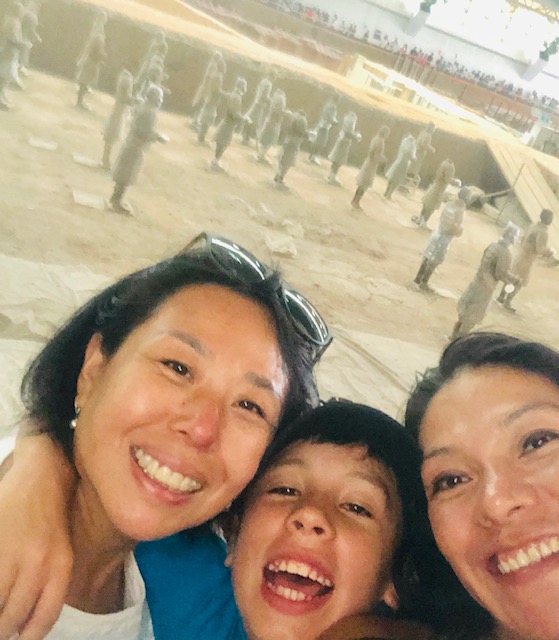


In our final stop, we explored Pit 3, recognised as the main office area. Lucy shared that this served as the ‘headquarters’ of the army, often humorously referred to as the ‘headless-quarter’ due to the numerous heads that have never been found. With Lucy’s guidance, we identified figures of high-ranking officers within this pit.

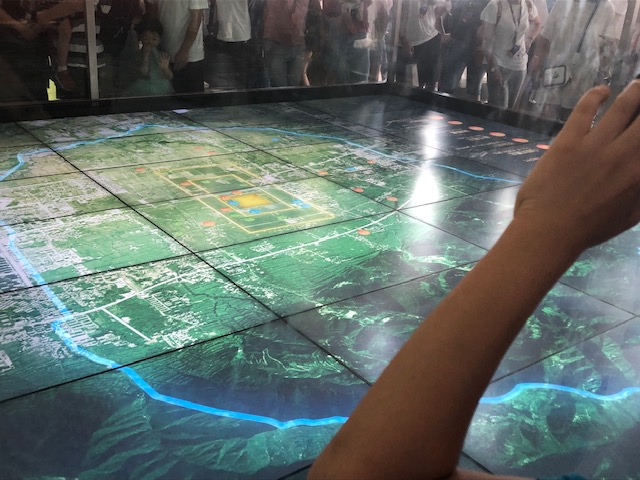
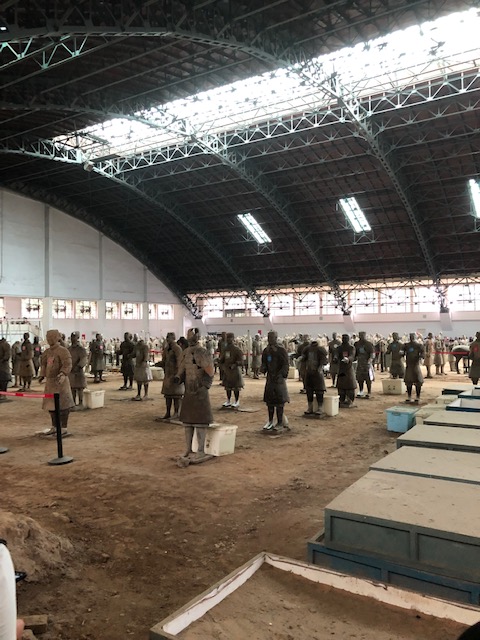
We had the opportunity to witness some of the restoration processes in action. I was particularly astonished by the dedication, patience, and craftsmanship displayed by the restoration workers. Their efforts to meticulously piece together the figures, often found in fragments since their discovery in 1974, showcased a remarkable commitment to restoring the terracotta army to its full, original splendour.
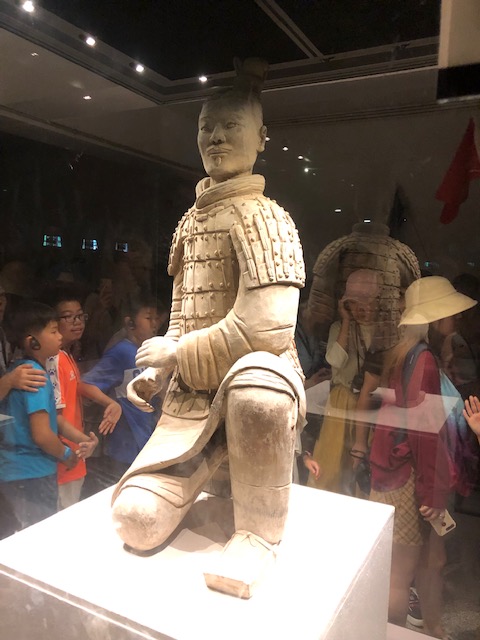
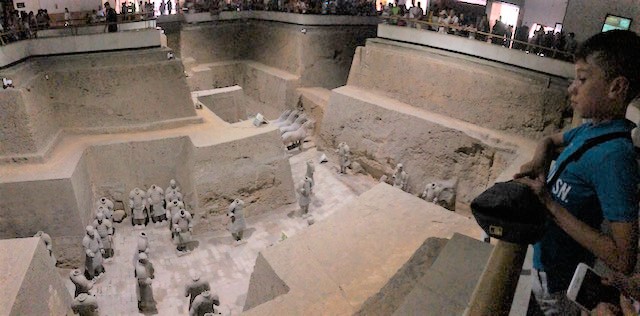

After we explored the terracotta army site, we strolled around the surrounding area, which has transformed into a bustling shopping district due to the influx of visitors. Numerous stores and dining establishments line the streets, accompanied by souvenir stalls at every corner. While there was an onsite shop near the exit of the archaeological site, we discovered that items outside were more reasonably priced.
Discovering Xi’an’s City Wall
Our next stop was the Xian City Wall, and what a beautiful walk it turned out to be! We were truly impressed by the preservation of this marvellous 14 km fortification. As we strolled through its ‘romantic’ setting adorned with red and grey hues, it felt like a journey back in time. Lamps and various decorations enhanced the perfect ambience for our leisurely afternoon walk, allowing us to admire the vibrant pace of Xian from the elevated vantage point of the wall.
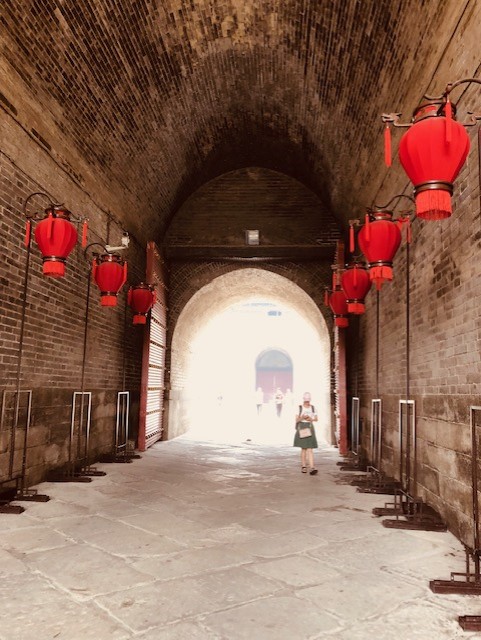
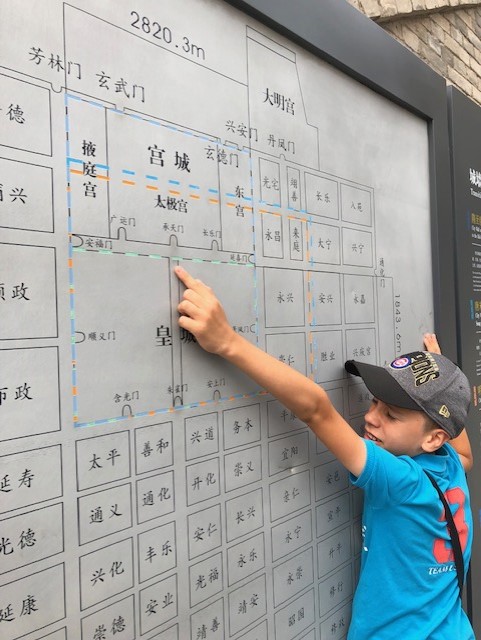

The pathways are pleasantly wide, and we were informed that it’s common to see both locals and tourists enjoying a bike ride along the top. I felt the urge to grab a bike and join in, but time constraints held us back. Nevertheless, we took a leisurely stroll around the wall before heading towards the Muslim Quarter.
The Flavors and History of Xi’an’s Muslim Quarter
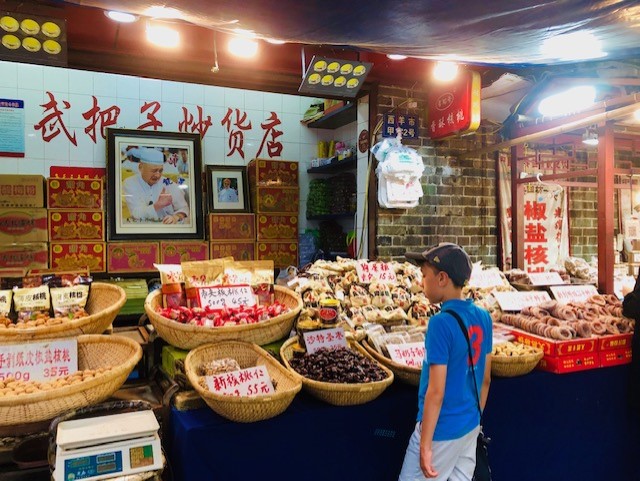
Following our visit to the City Wall, we made our way to the Muslim Quarter, beginning at the market, an instant favourite of mine. The market boasts a vibrant array of colourful street food, catering to various budgets and tastes. Amid the hustle and bustle, we got a bit ‘lost’ in the lively atmosphere, with countless people passing by and vendors enticing us with their offerings. It was a fascinating immersion into the history of how the Muslim community arrived here, intertwined with the tales of Silk Road routes and merchants, a captivating walk through time.


We then arrived at the Great Mosque.
The Great Mosque
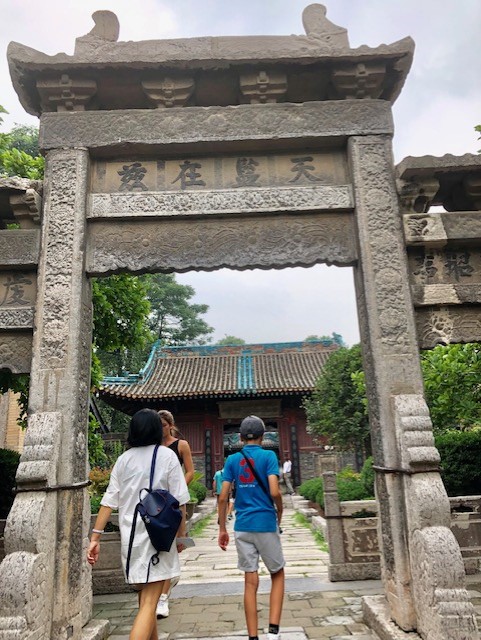
This mosque stands as one of the oldest and largest well-preserved Islamic mosques in China, dating back to 742 AD. To me, it appeared more like a beautifully landscaped garden than the conventional image I held of a mosque. It presents a captivating blend of Chinese courtyards and Muslim architecture. The mosque remains an active place of worship, drawing many Muslims who come here to pray and participate in religious events.
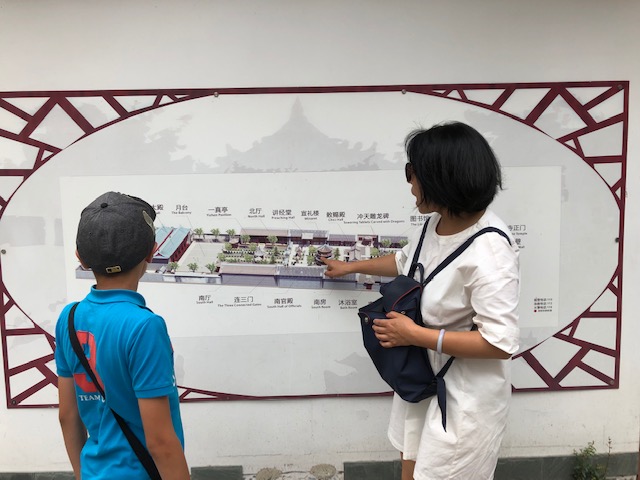

We then proceeded to explore a traditional old house known as the “Gao Family Mansion.” Constructed during the Ming Dynasty, this residence belonged to Mr Gao Yuesong, a government official who enjoyed favour from the emperor. His noble family served the imperial government for seven generations. The house, built with brick and wood, stands as one of the best-preserved traditional houses in Xi’an. It comprises four courtyards, guest halls, ladies’ rooms, a library, gardens, a family temple, a private school, and an open-air opera house.
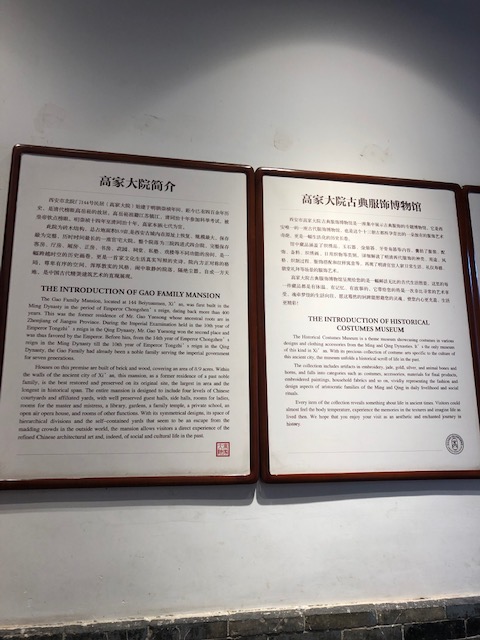

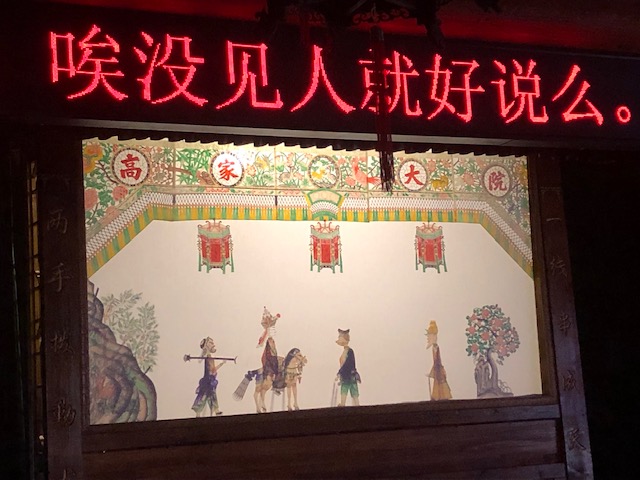
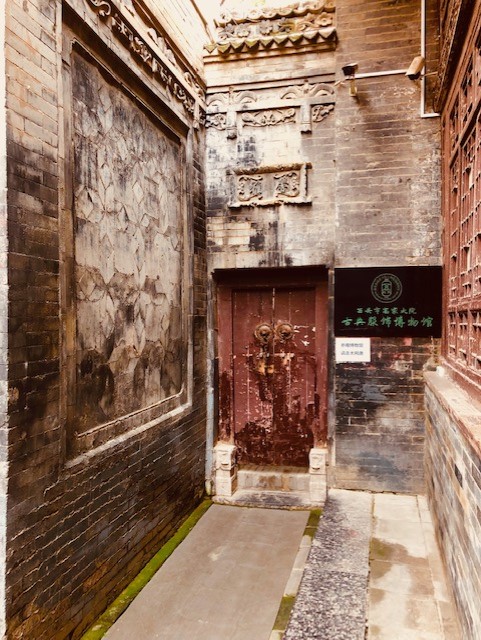
Exploring the house allowed us to immerse ourselves in the lifestyle of old Chinese noble families, offering insights into their art, social dynamics, culture, and hierarchical way of life..
The house also features an in-house museum showcasing historical Chinese costumes and clothing accessories from the Qin and Ming dynasties. We delighted in a 10-minute shadow puppet show hosted inside the house. Afterwards, we made our way to the hotel for a brief rest and to drop off our baggage before venturing out again.
Tang Palace Extravaganza: Dumplings, Dinner, and Dazzling Show
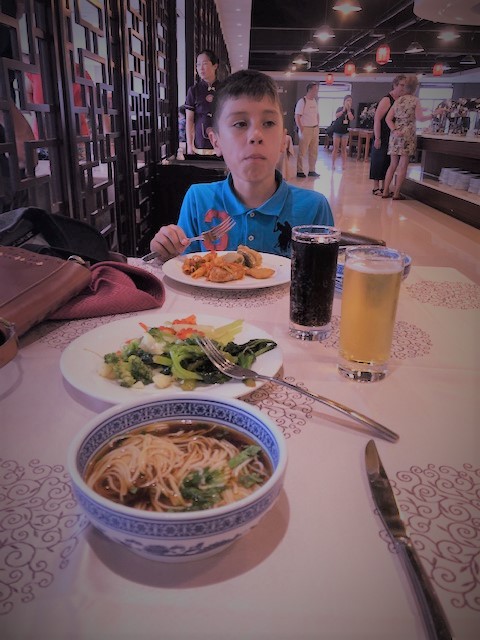
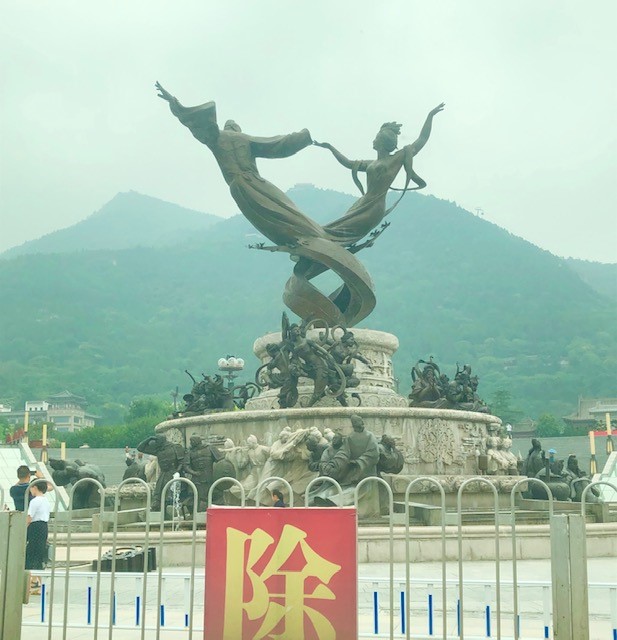
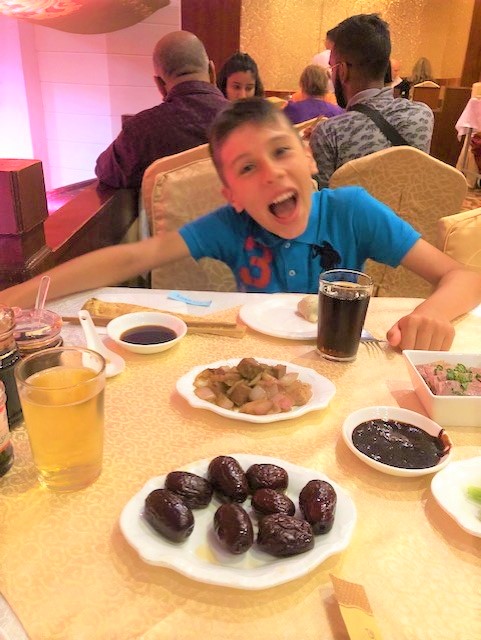
Lucy recommended that we attend a dinner and show at the Tang Palace, and since it was our only day in Xian, we decided to go for it. It turned out to be an excellent recommendation. The show dinner was of great quality and cost 418 Yuan per person, approximately £45. Both Felipe and I were captivated by the spectacular dances, and Felipe thoroughly enjoyed the dinner speciality: his favourite Chinese food: Xian Dumplings!

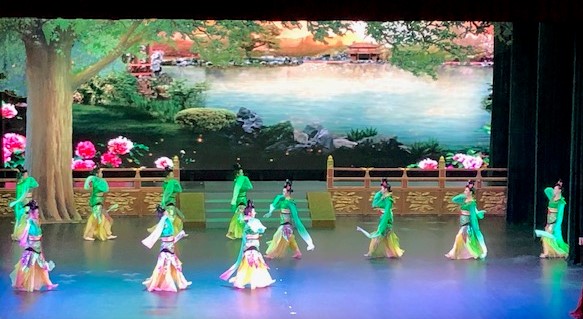

The dance show was delightful, undoubtedly one of the best dance shows I have ever attended. The story unfolded through ten amazing acting, dance, and singing performances, all accompanied by a live traditional orchestra
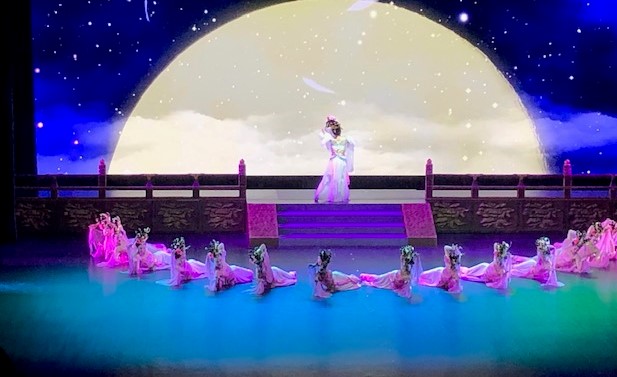
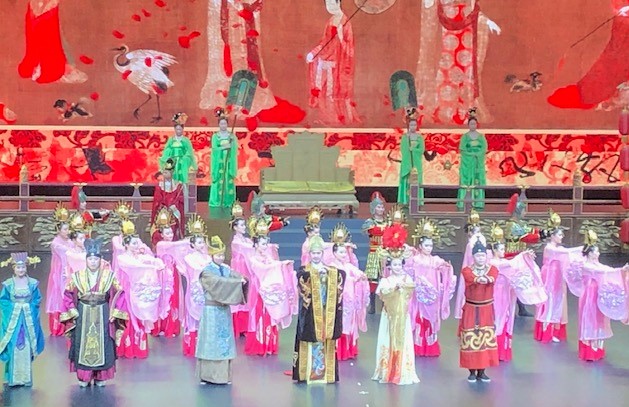
This performance is a visual treat! Highly recommended if you visit Xi’an.
“Blessed are the curious as they shall have adventures. … “The greatest legacy we can leave our children is happy memories”
Love
from
❤️
Jenny
 Jenny Sky Is The Limit
Leave a comment