
Our stay in Xi’an was brief, as highlighted in my last entry about China, driven by our eagerness to journey onward to the Panda lands. Here’s a glimpse into our exploration.
Riding the G89 Bullet Train: Xi’an to Chengdu Express:
For this leg of our journey, we opted for the 2nd class on the D-Train, a high-speed ‘bullet train.’ Unlike the departure from Beijing to Xi’an, we had the luxury of time to enjoy a proper breakfast before embarking. Covering a distance of 658 km, the journey took us 3 hours and 18 minutes, with a comfortable 3-2 seat configuration. This high-speed option offered a significantly shorter travel time compared to the slower train services, which typically take around 13-17 hours depending on the route and stops.


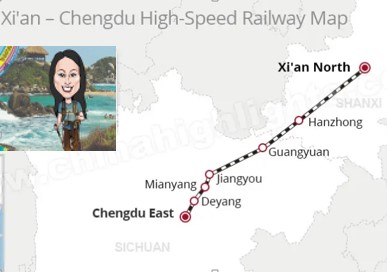
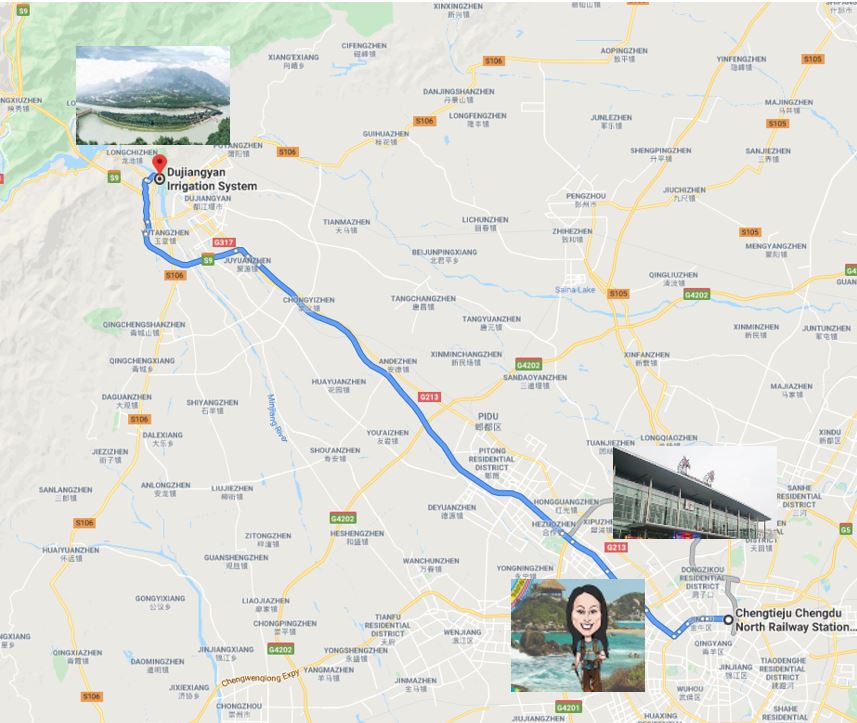
After arriving on time, we were warmly welcomed by our knowledgeable Chengdu guide, Samy. A quick lunch at Chengdu train station preceded our first exploration of the day: the Dujiangyan Irrigation System, an ancient marvel recognized as a UNESCO World Heritage Site.
As we embarked on a 75 km, 1 hour, and 30-minute car journey northeast of Chengdu, Samy shared intriguing insights about Chengdu city and the Sichuan region. We learned about the main rivers, the local population, and the vibrant local culture, and even got a glimpse into how summer holidays are celebrated in China.
Nestled in the heart of central Sichuan, Chengdu stands as the largest city in southwest China. Throughout history, it has served as a crucial communication hub, owing to its strategic location along the Yangtze River and its prominent branches, the Min and Tuo Rivers, that gracefully traverse the Sichuan Basin.
Dujiangyan Irrigation System:
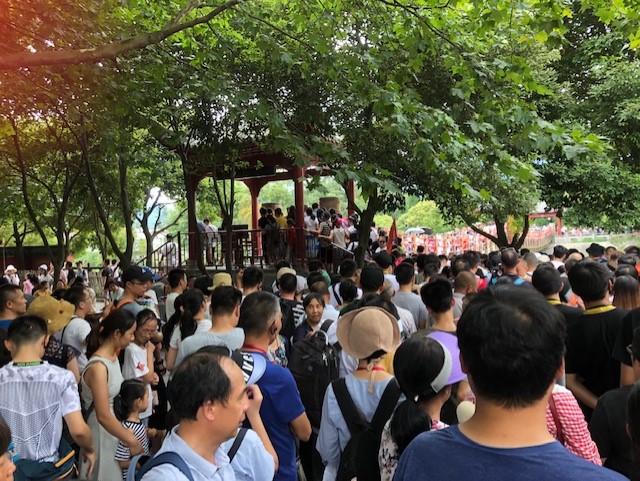
Dubbed the ‘Treasure of the Sichuan region,’ this site proved to be one of the busiest destinations throughout our entire journey. Navigating through the throngs of people felt more like being ‘transported airborne’ by the crowd, particularly along the bustling Anlan Bridge. Surprisingly, Felipe, unperturbed by the congestion, added a touch of humour to the situation, eliciting laughter from both locals and fellow travellers. Despite the lively atmosphere, the heat and humidity made the crossing a slow and somewhat challenging process. Embracing the local culture, we soon learned that the only way to make progress was through gentle but determined pushes
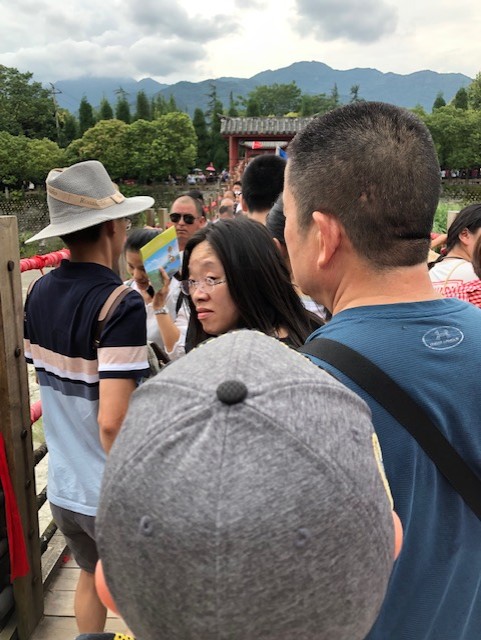
Despite the challenges, the visit was undoubtedly worth it. This irrigation system, ordered by China’s first and one of the most controversial emperors, Qin Shi Huang, predates even before BC! Witnessing the ingenuity of ancient Chinese engineers over 2000 years ago left me feeling incredibly fortunate. It’s no surprise that this marvel has earned its status as a UNESCO World Heritage Site.

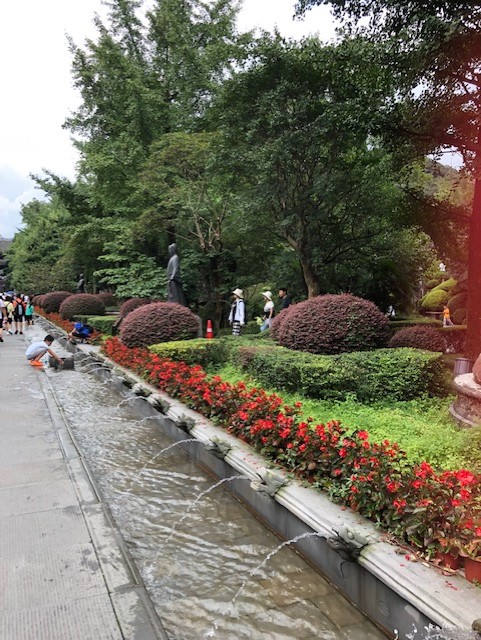
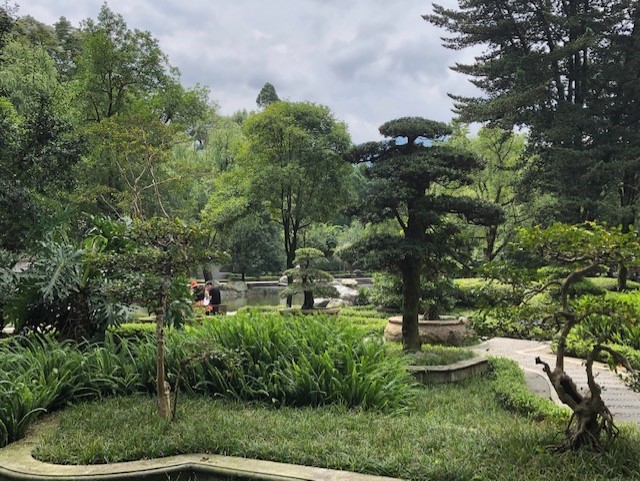
The entirety of the site is truly extraordinary. Equally impressive is the fact that it remains in active use, playing a crucial role in irrigating water for over 50 cities in the Sichuan region, serving as a vital mechanism to prevent flooding.
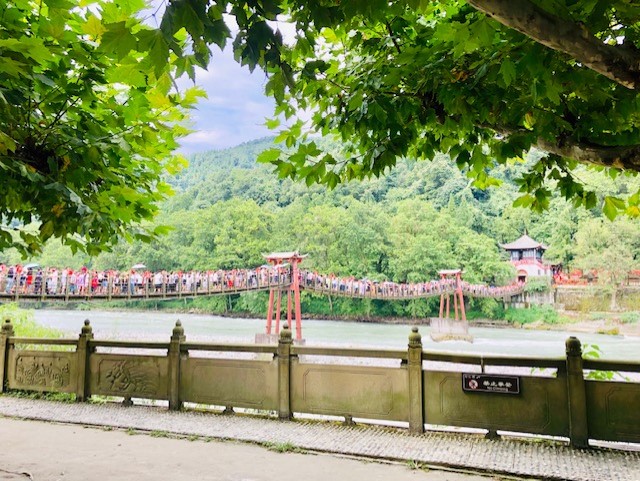

More than 2,200 years ago, the city faced constant threats from floods unleashed by the Minjiang River. In response to this ongoing vulnerability, Li Bing, determined to provide a solution, proposed and initiated the construction of the Dujiangyan Irrigation System to protect the city from devastating floods.

The site comprises three main components:
Yuzui: A watershed that effectively divides the river into two sections, creating the inner river and the outer river.
Feishayan: A tube designed to divert sand and stones from the inner river into the outer river.
Baoping Kou: Functioning like the neck of a bottle, this part brings water into the inner river from the Minjiang River while regulating the intake amount.”

Designed to mechanically regulate the water flow from the mountains to the plains year-round, Dujiangyan stands as the oldest irrigation system in the world, a testament to ancient engineering brilliance.

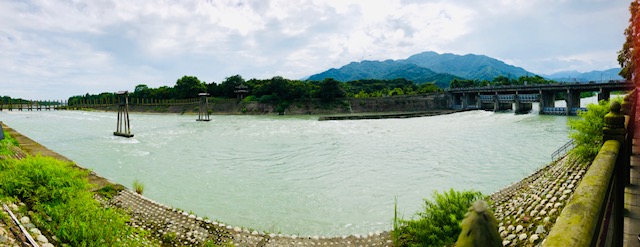
The entire compound is a verdant and imposing expanse, characterised by rushing water in the river and channels. An island nestled within the river adds to the charm, complemented by flourishing green parks that adorn the entire landscape
We spent approximately 4 hours exploring this remarkable site before heading back to Chengdu.
Buddha Zen Hotel
To cap off this long day, we chose to stay at the Buddha Zen Hotel. We were enamoured by its tranquil atmosphere and distinctive character, basking in a sense of calmness amidst beautiful architecture and design. The central courtyards and traditional Chinese décor added to the overall charm.


The hotel is conveniently located near one of the trendiest areas, Qingyang, where you can find a plethora of quality restaurants and local bars featuring live singer shows. I fully recommend it if you find yourself in Chengdu
“May what I do flow from me like a river, no forcing and no holding back, the way it is with children.” ― Rainer Maria Rilke
Love
❤️
from
Jenny
 Jenny Sky Is The Limit
Leave a comment