
Opting for a more immersive exploration, I chose public transport and enlisted the expertise of a local guide, Paul, for a deeper connection with the city. The decision was twofold: to genuinely feel the pulse of Hong Kong and to manage costs, considering the pricier private car option. The adventure commenced as Paul picked me up from Tseung Kwan O, The Papillons: a contemporary neighbourhood in the New Territories, home to my lovely cousin. With a punctual start at 9 am, we embarked on a full day of discovery. While initial concerns about protests lingered, I decided not to bring my son along for this particular outing.
Our journey east commenced with the MTR, the Mass Transit Railway system, widely adopted as the standard mode of transport. With an extensive network boasting 11 metro lines and 93 stations in the metropolitan area, the MTR facilitates seamless travel across the city. Similar to London’s “oyster card,” Hong Kong’s equivalent, known as the “Octopus,” offers not only convenient metro access but also the added convenience of making purchases in city shops. Users have the flexibility to top up the card with funds as needed, enhancing the overall ease of navigating Hong Kong’s bustling urban landscape.
Business District and City Centre
Our initial stop was Quarry Bay Station, where we marvelled at some of the towering structures in the Central business district, including the impressive ICC with its 118 floors. The surroundings were expansive, bustling, and reminiscent of typical urban district centres found in major cities worldwide: overwhelming in their grandeur and dynamic energy.

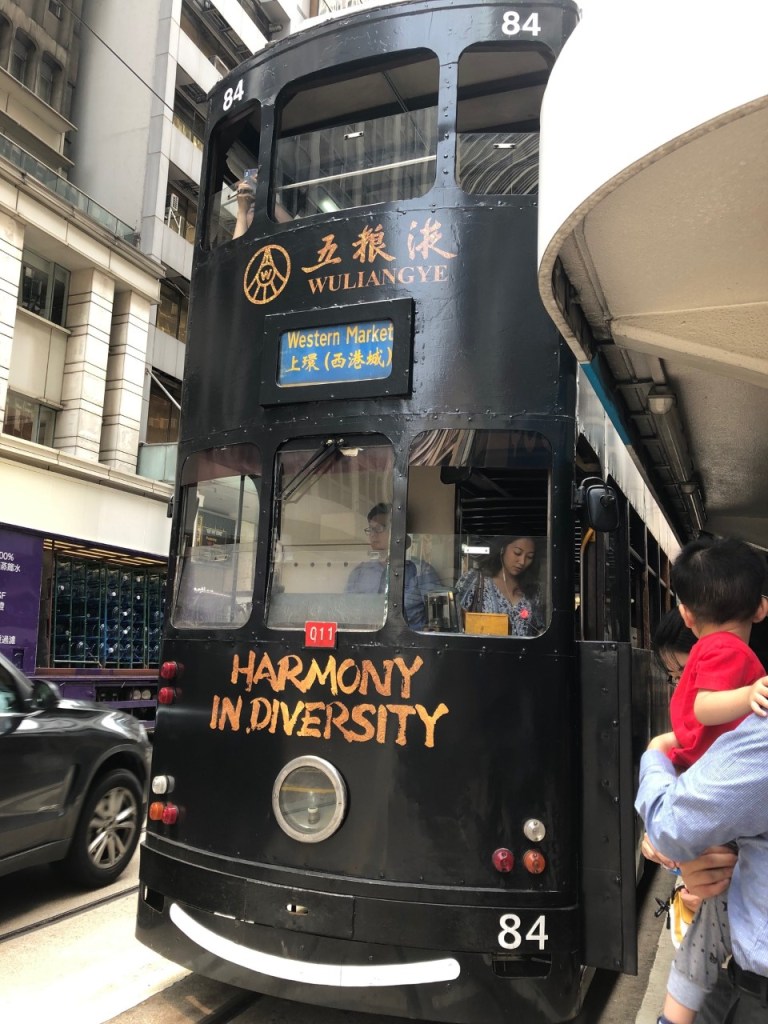
En route, we encountered the famed and purportedly “world’s longest outdoor continuous escalator,” a local gem commonly visited and utilised by residents to ascend the hilly streets of Hong Kong. Spanning an altitude of over 135 meters, it has evolved into a prominent tourist attraction, flanked by numerous mini-markets, shops, and restaurants along its course. Our journey also led us past a tram stop, a heritage from British rule dating back to 1904, still operational today and carrying a daily load of over 200 thousand passengers.
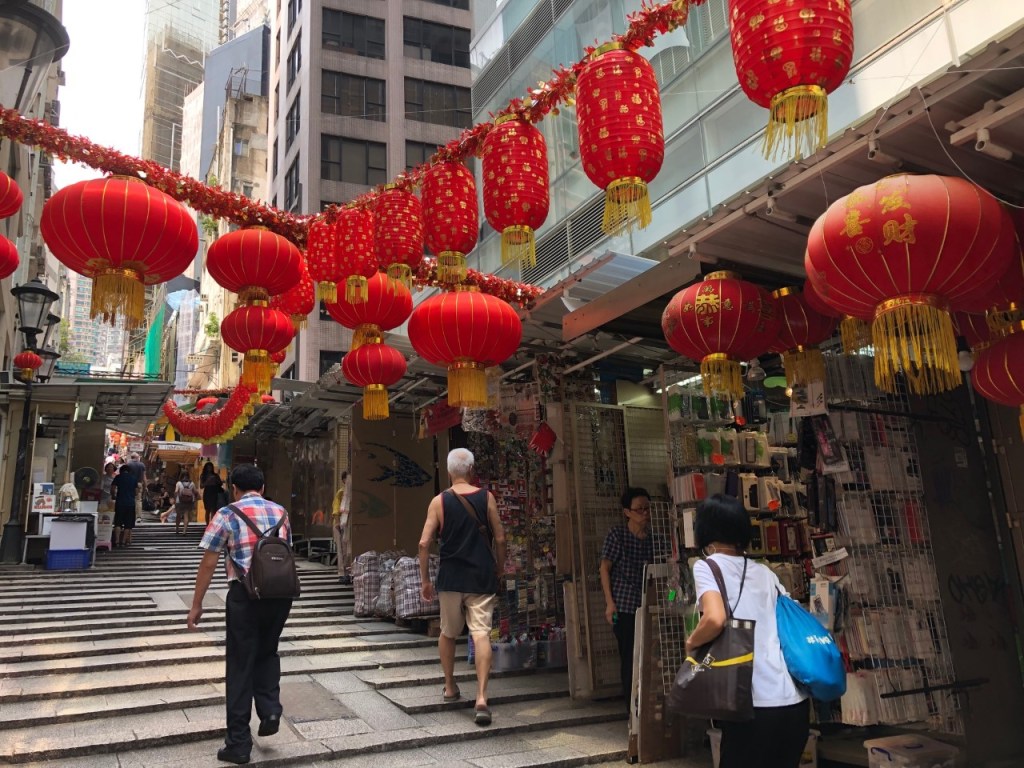

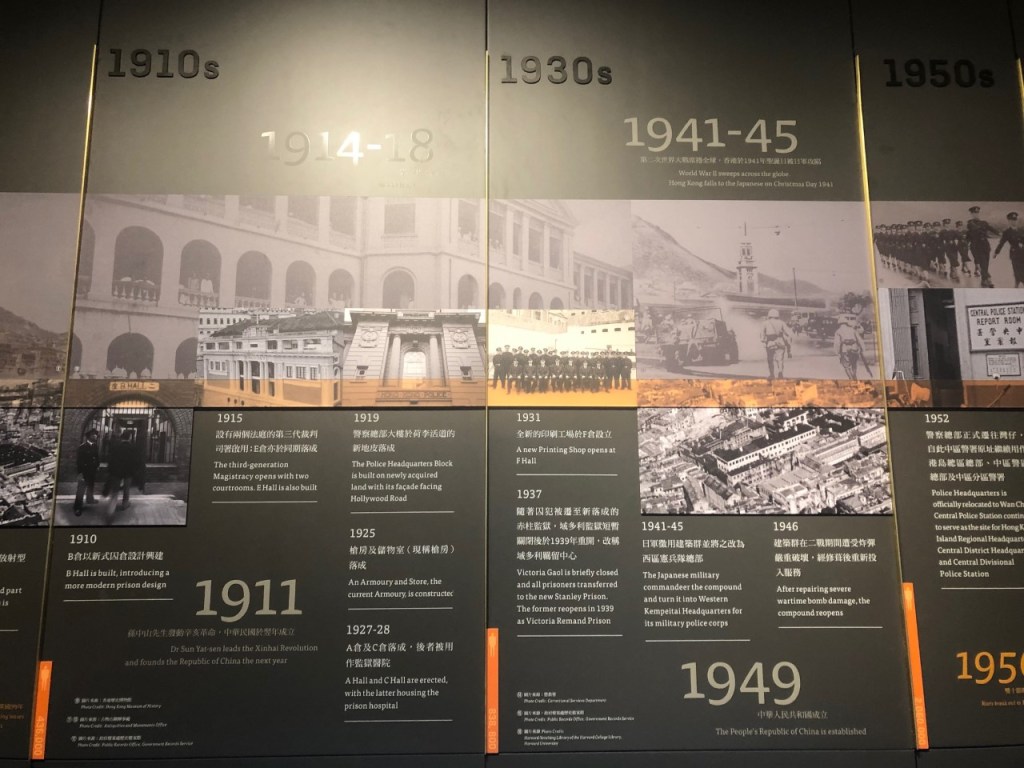
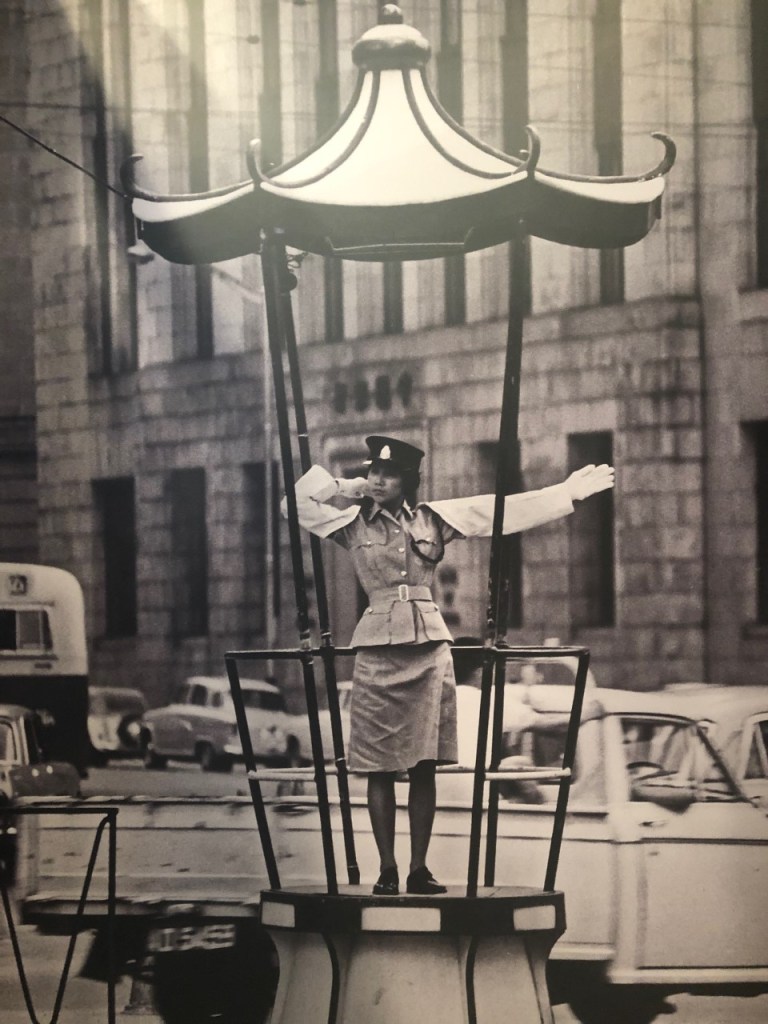
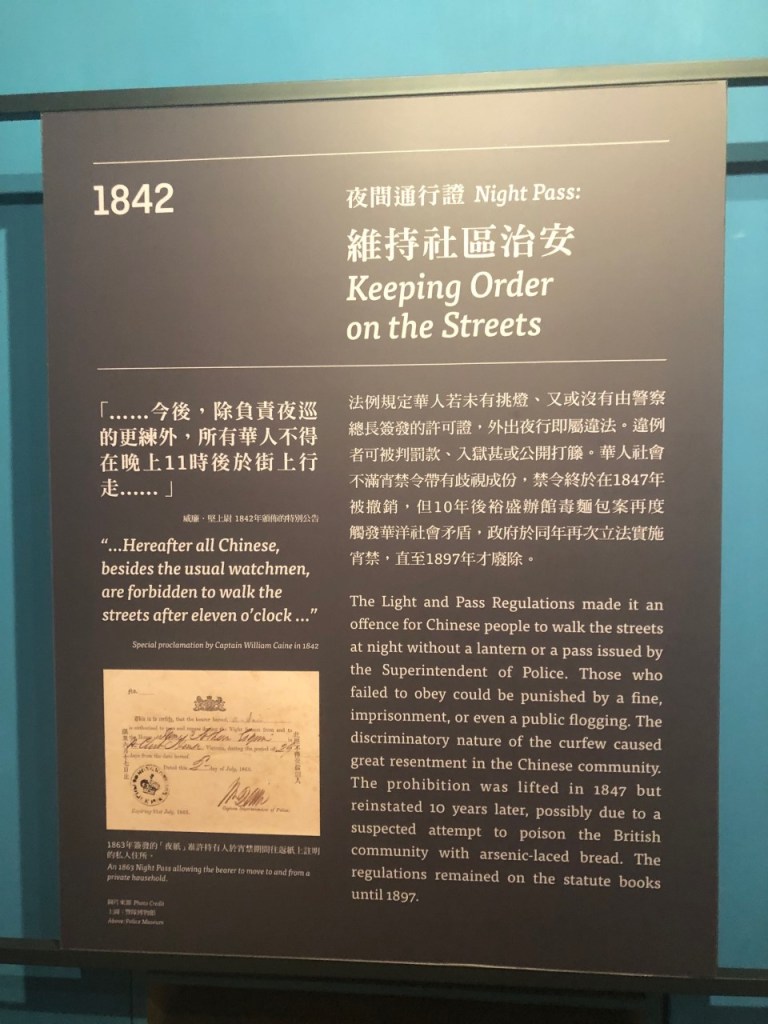
Our exploration continued along Hollywood Road, reminiscent of Hong Kong’s Soho district. We reached the former Central Police Station, known as Tai Kwun, where Paul shared insights about its rich history. Completed in 1864, the station underwent multiple additions until 1919. The visit proved both fascinating and educational, providing a deeper understanding of this historical landmark.
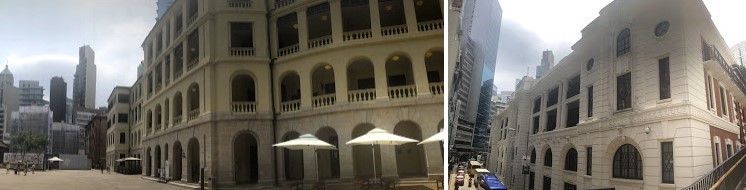
The premises were impeccably maintained, featuring a clear and well-organised layout that effectively conveyed the country’s history. A visit to this museum, housed in the converted complex of the former Central Police Station, proved to be well worth the time. Serving as a reminder of British colonial period, the area encompasses two open squares adorned with trendy bars, restaurants, and art galleries, adding a vibrant touch to its historical significance.

In Kowloon, numerous popular markets beckoned, yet Paul suggested exploring some smaller ones. These bustling markets were teeming with an array of souvenirs and merchandise, exuding a lively bazaar style atmosphere. While they didn’t stand out significantly, they provided a glimpse into the local market scene, brimming with an assortment of goods.
Man Mo Temple
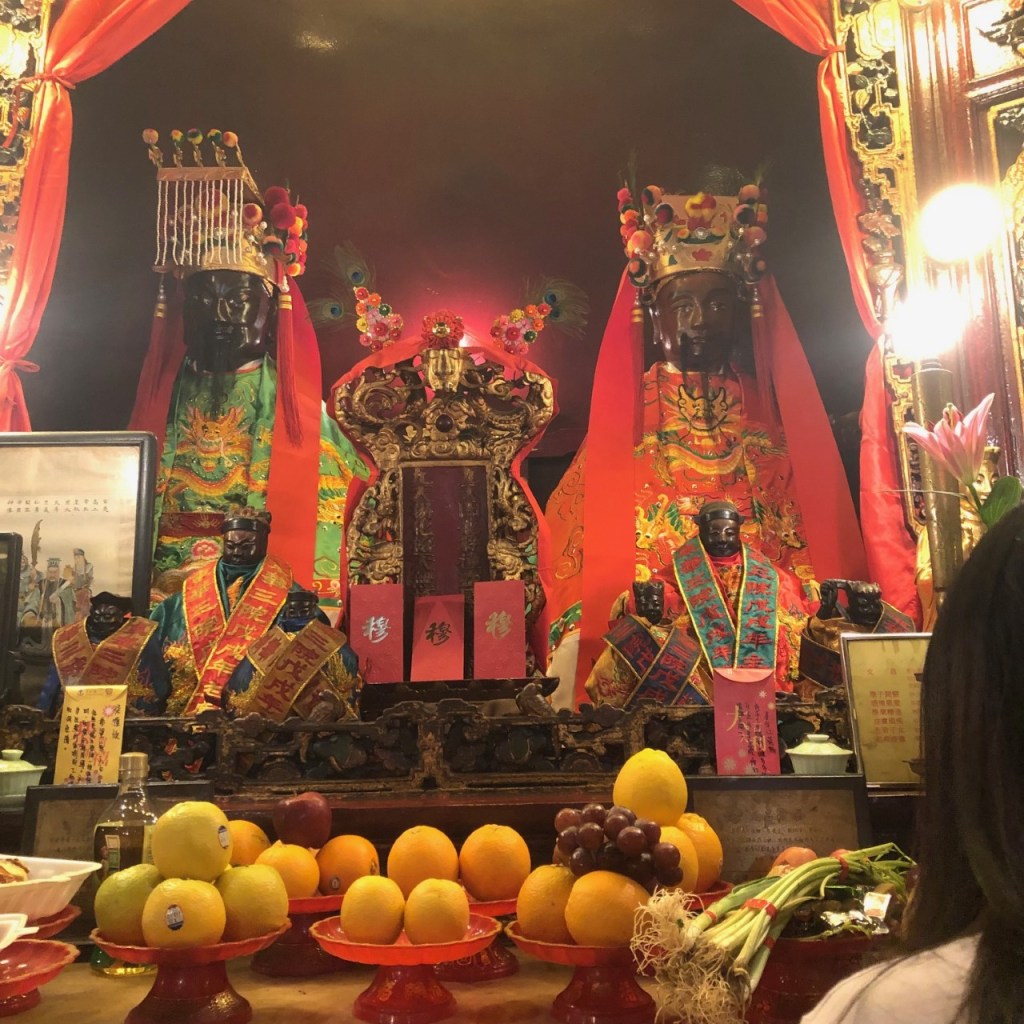
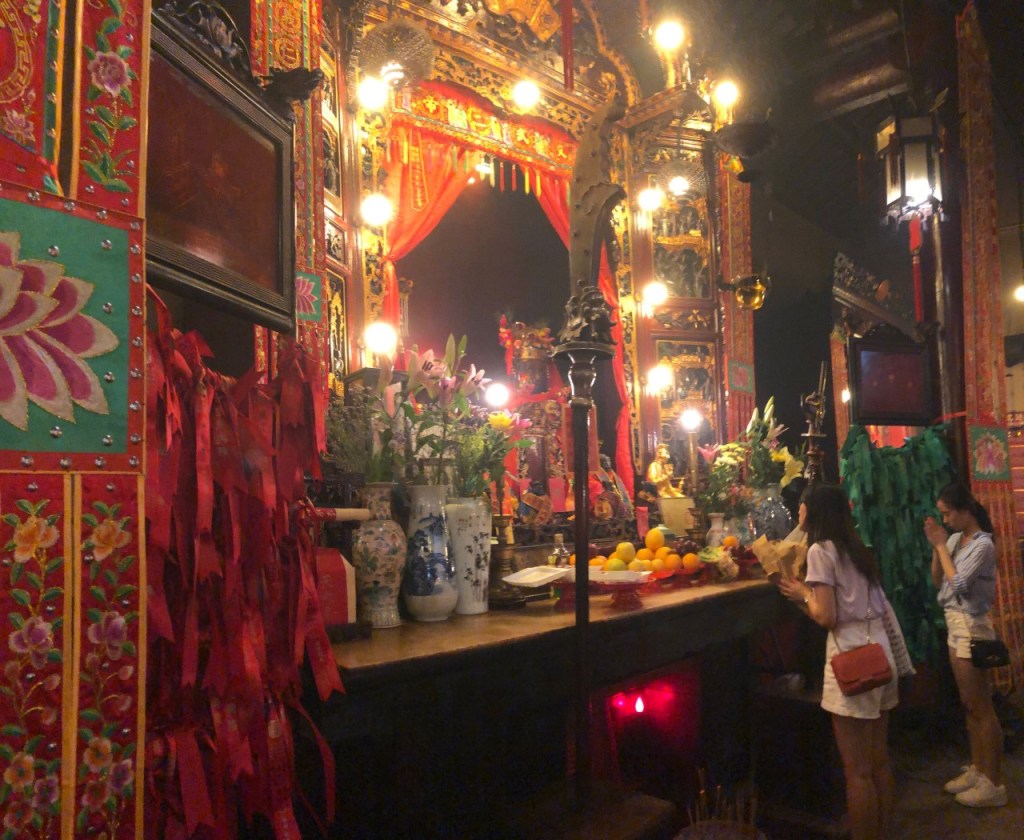
Continuing along Holloway Road, we reached Man Mo Temple, among Hong Kong’s oldest and most renowned temples. Upon entering, a tranquil ambiance enveloped me, accompanied by a soothing smoky aroma emanating from the colossal incense coils suspended from the ceiling. The temple’s interior showcased an array of ceramic figures, wood carvings, and various crafts embodying traditional Chinese artistry. Immersed in this sacred space, I took a moment to express gratitude for the incredible journey and offered prayers for good fortune. As I delved into the readings, optimistic predictions emerged, filling me with anticipation for what lies ahead.


Man Mo Temple stands as a compound with three distinct sections, each serving a unique purpose. To the left is the Man Mo Temple, venerating the Gods of Literature and Martial Arts. In the centre is Lit Shing Kung, dedicated to all heavenly deities. Lastly, there is Kung So, a space where communities gather to resolve conflicts amicably. Recognized as a Grade I Historic Building in Hong Kong, the temple proudly displays traditional craftsmanship, further adding to its cultural significance.
Aberdeen fishermen village
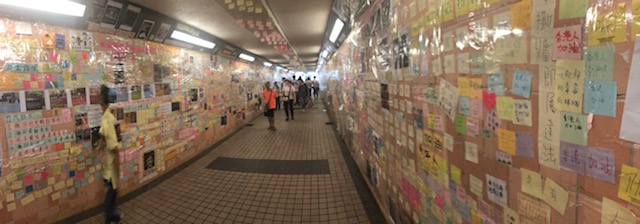
We proceeded to the south of Hong Kong Island by taking a local bus to reach the Aberdeen Fishermen village. Enroute, we passed a subway renowned for its main signs, posters, and various political protest expressions, aptly named the “Lennon Walk,” as shared by Paul.
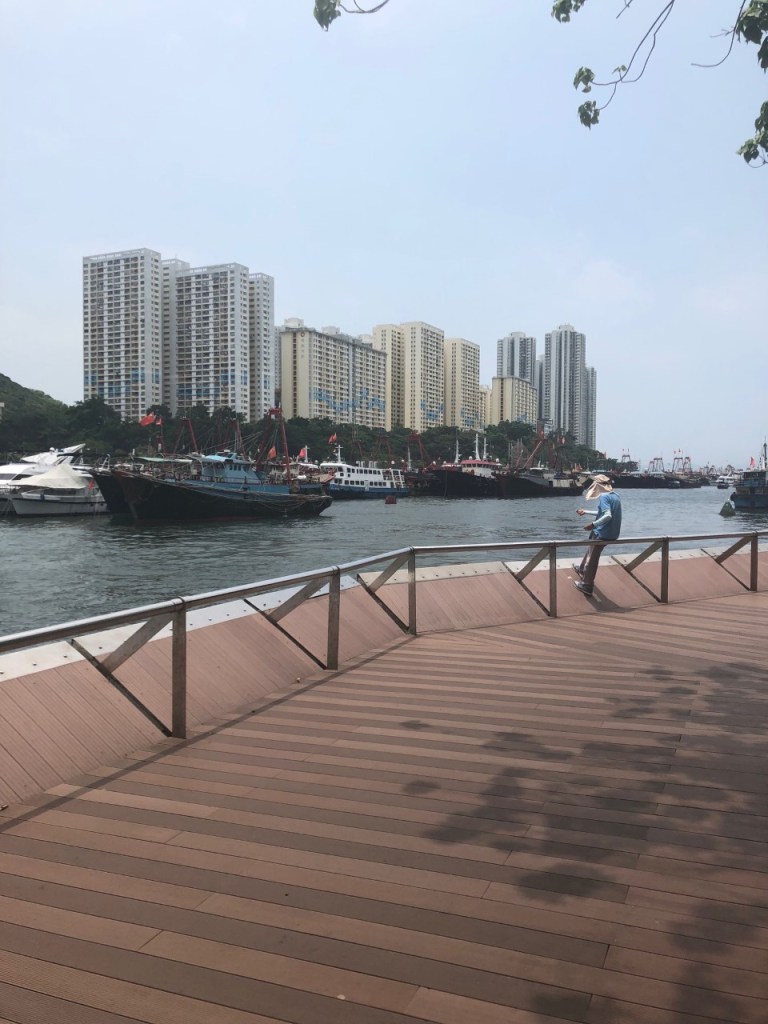
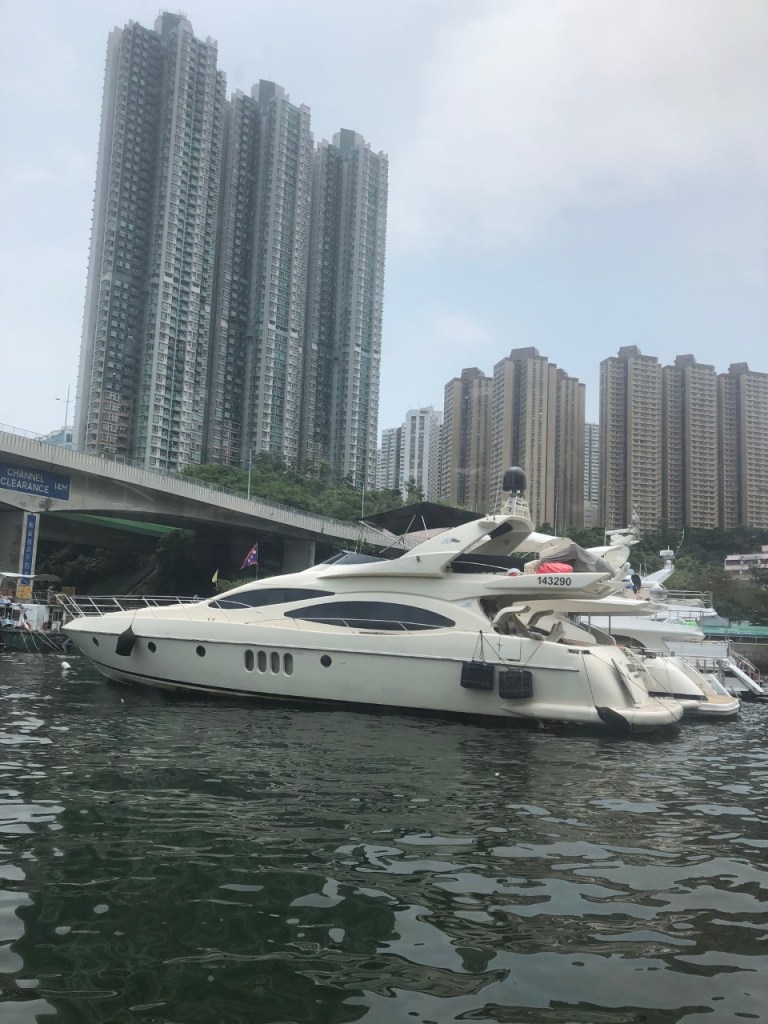
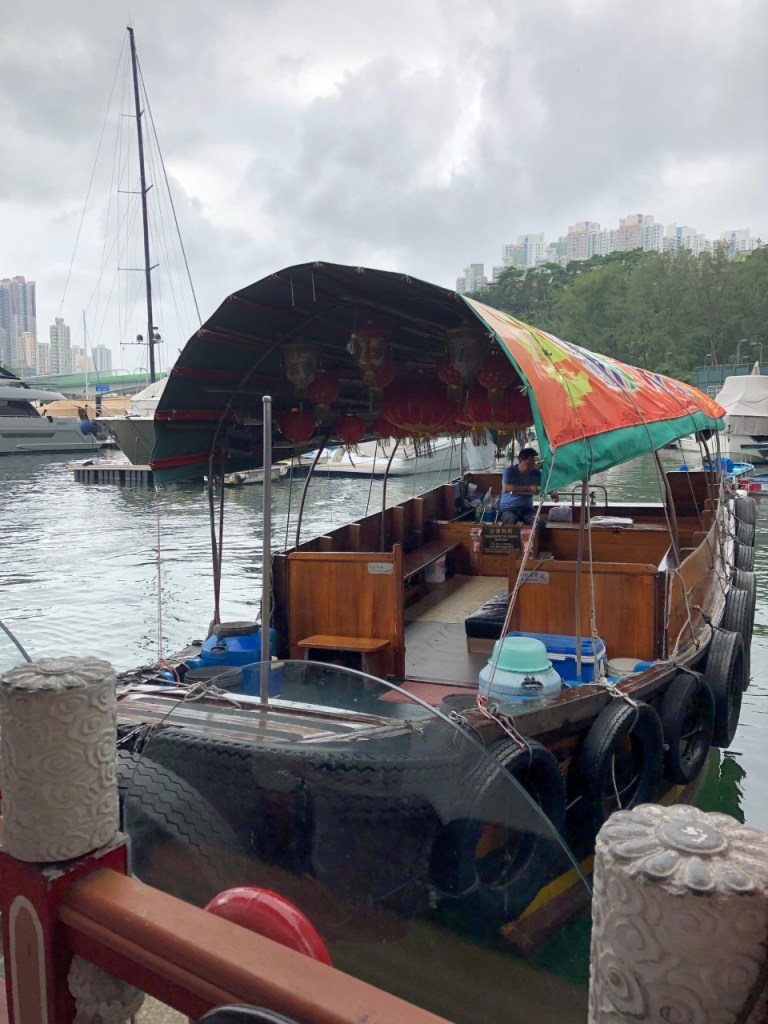
Upon reaching the village, a striking contrast unfolded before me. Luxury yachts and towering skyscrapers coexisted with humble fishing boats and families residing on sampans, portraying a curious dichotomy between the old and the new.
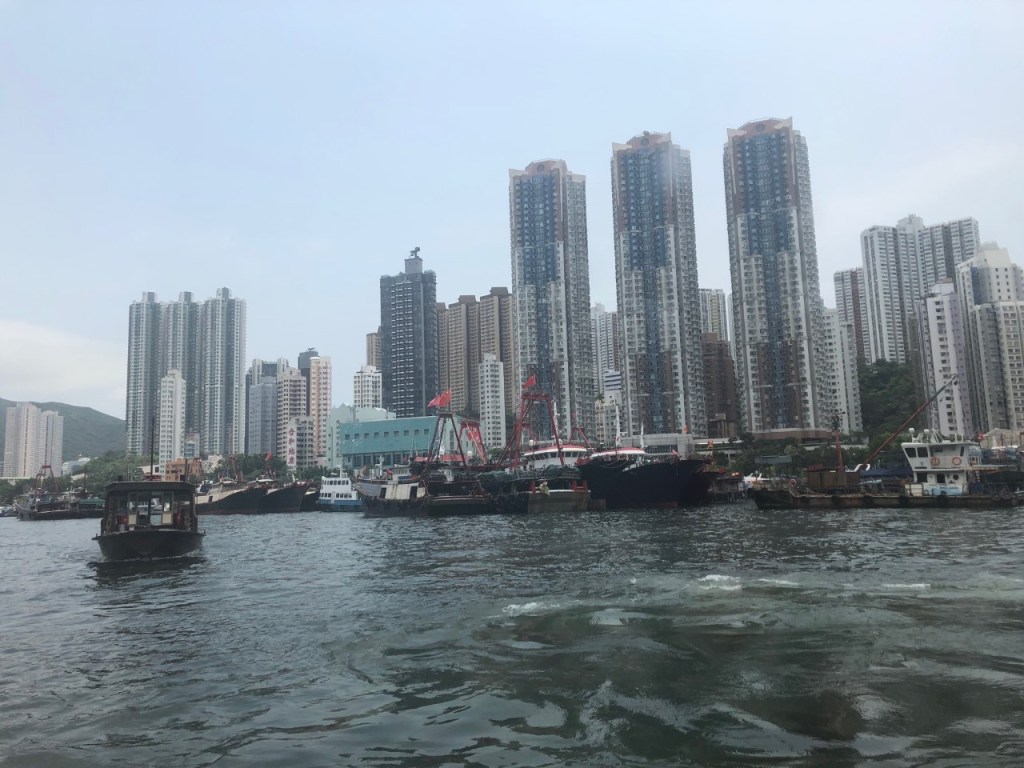
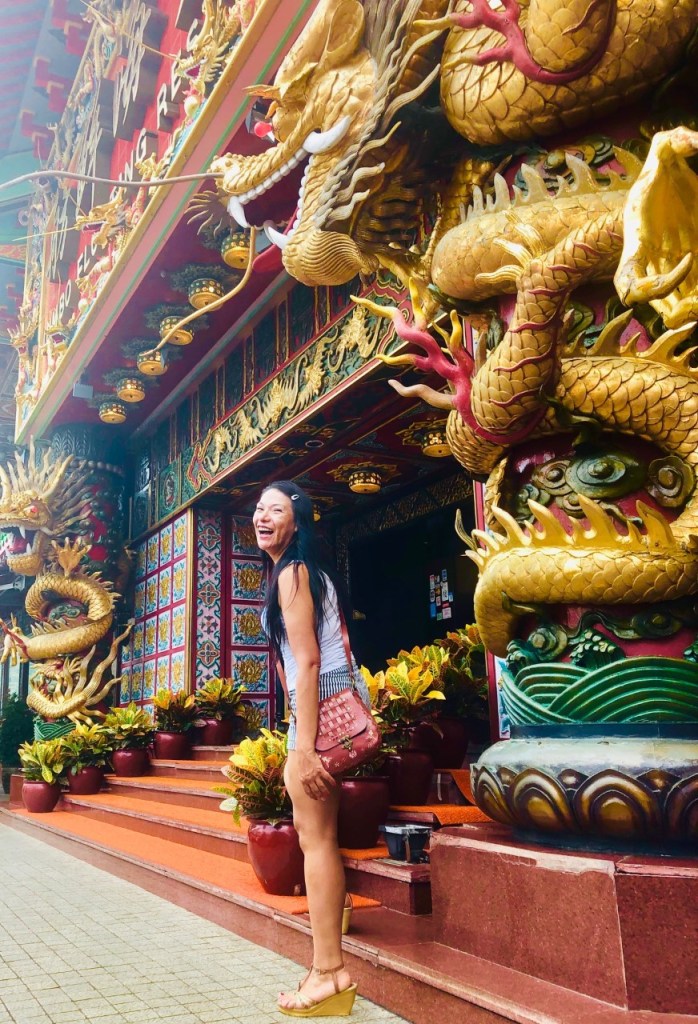
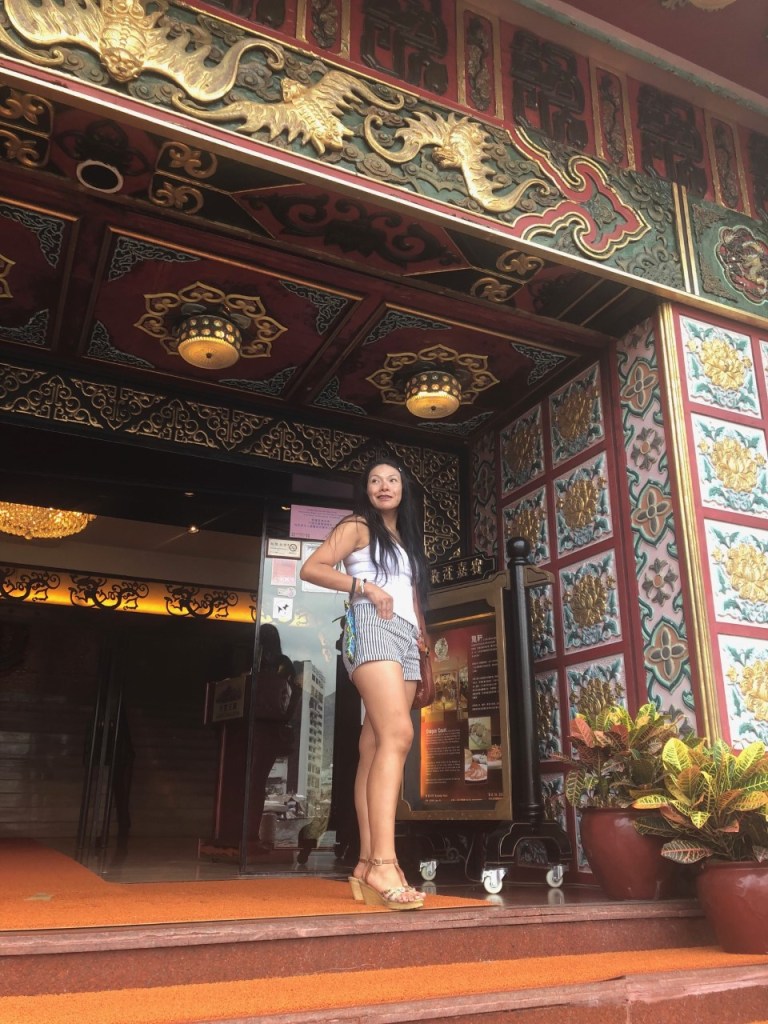
We embarked on a boat ride to reach the renowned Jumbo Kingdom Floating Restaurant for lunch. The dining experience was delightful, with a delectable array of food, including ample vegan choices for me. While the service was decent, it fell short of being outstanding, as we had to wait for nearly 30 minutes to secure a table.
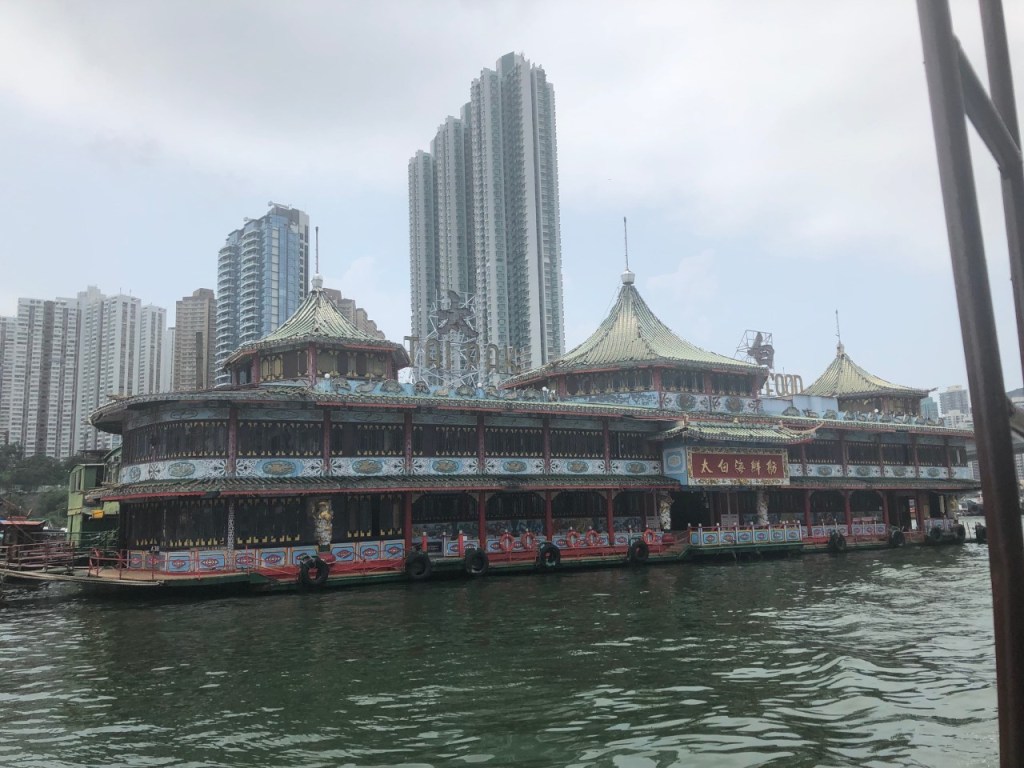
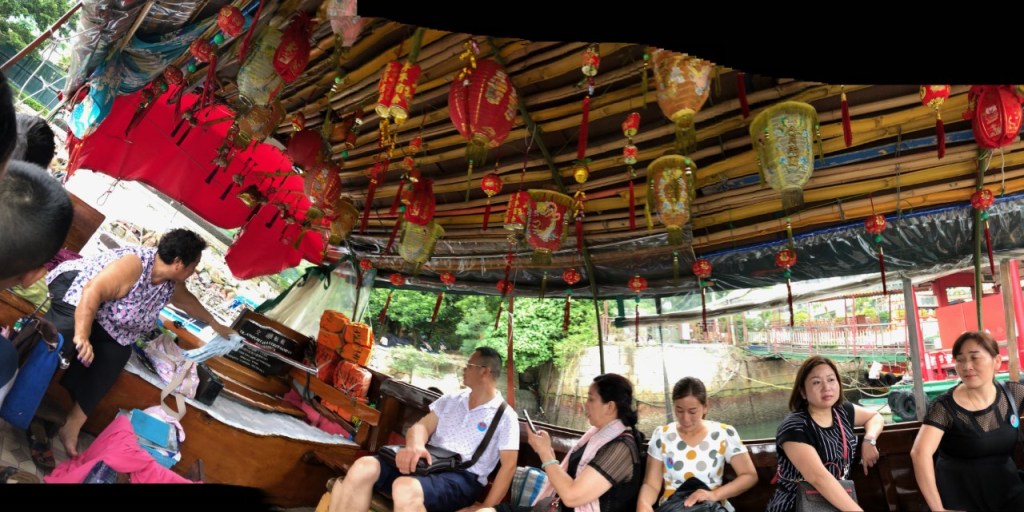
After lunch, we took a sampan boat ride around the harbour for about twenty minutes which I found relaxing and picturesque.

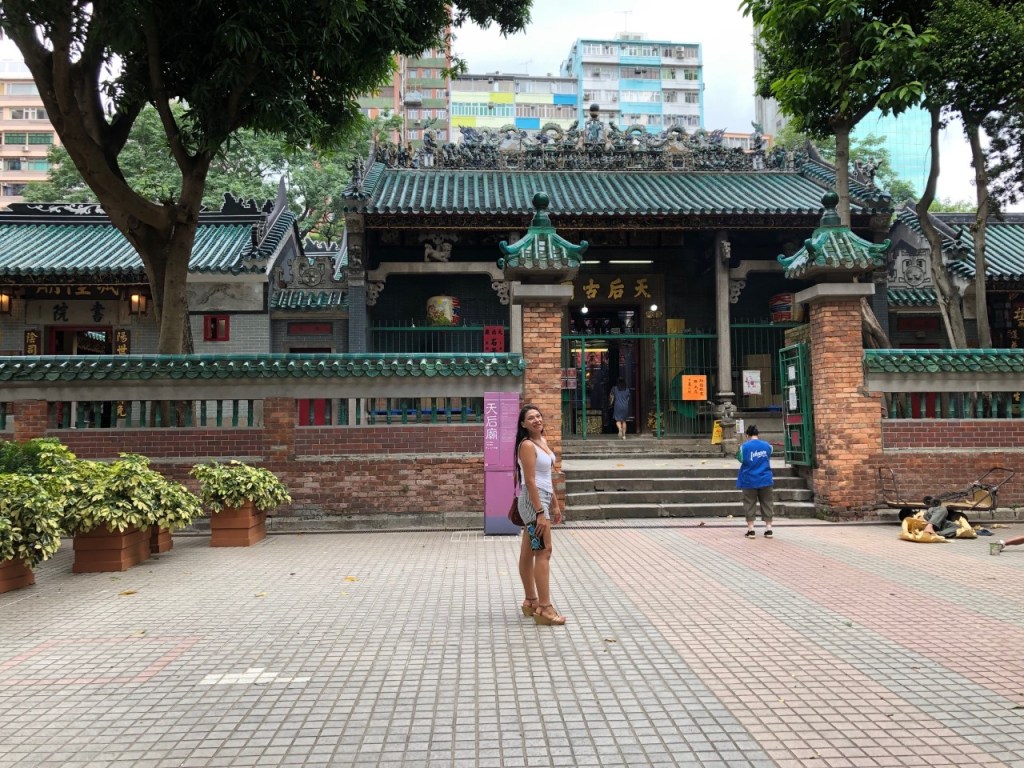
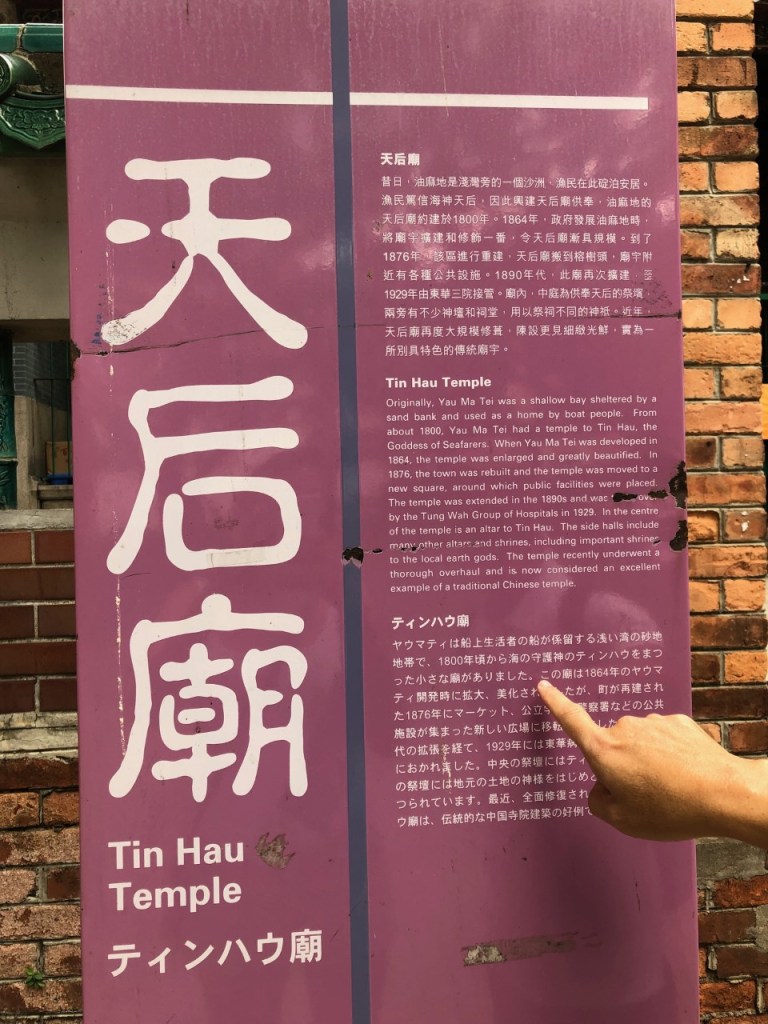
Next, we visited The Tin Hau Temple, dedicated to the Goddess of the Sea, a revered figure among fishermen and those whose livelihoods are tied to the sea. To my surprise, a few homeless individuals were begging near the entrance, an unexpected sight that caught my attention.

As I strolled through the city streets, a sense of surprise washed over me. Despite hours of walking, using buses, trains, and boats, I hadn’t witnessed a single demonstration related to the so-called “protests.” Paul shared that there were numerous instances of misinformation circulating in the media. While fake stories might have suggested a scenario akin to China breaking into Hong Kong with tanks, my experience revealed a stark contrast. Everyone appeared to be perfectly fine, and there was no discernible sense of panic. It’s worth noting that this observation dates back to August 2019, and considering the dynamic nature of current events, the reality may have evolved since then.
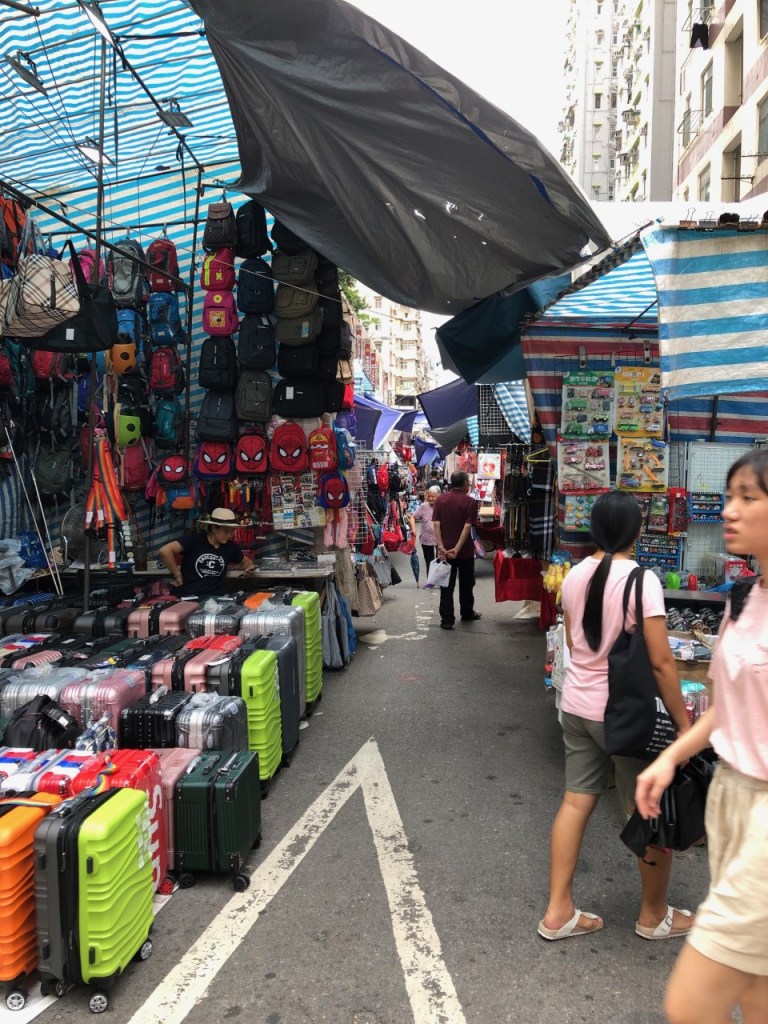
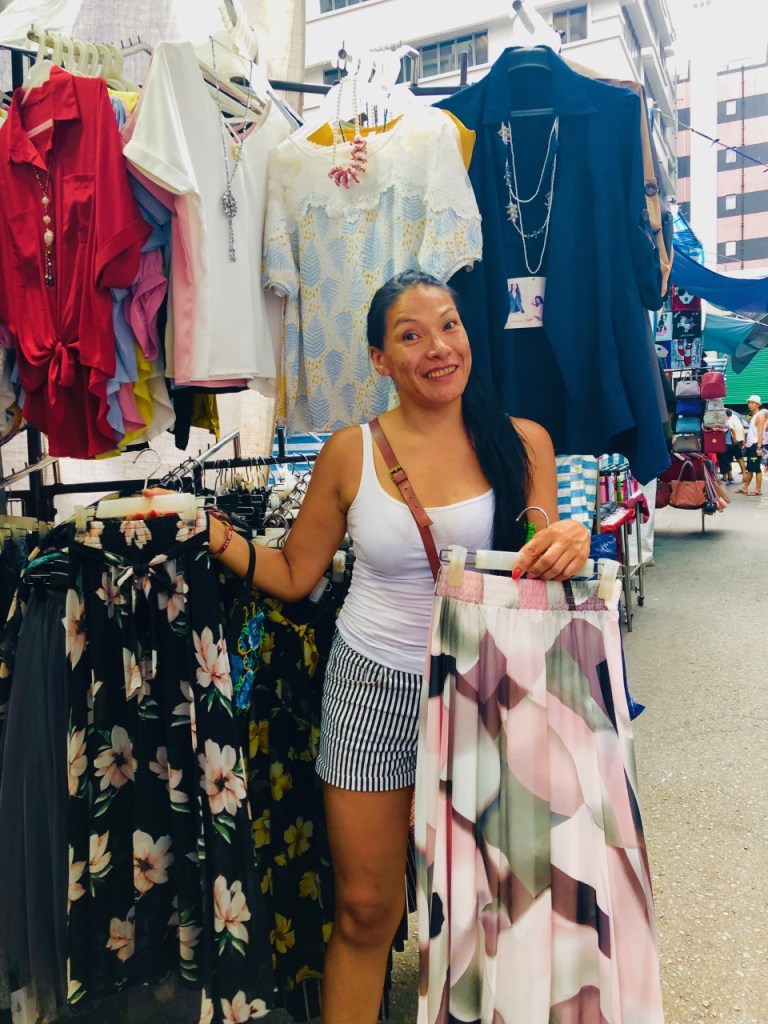
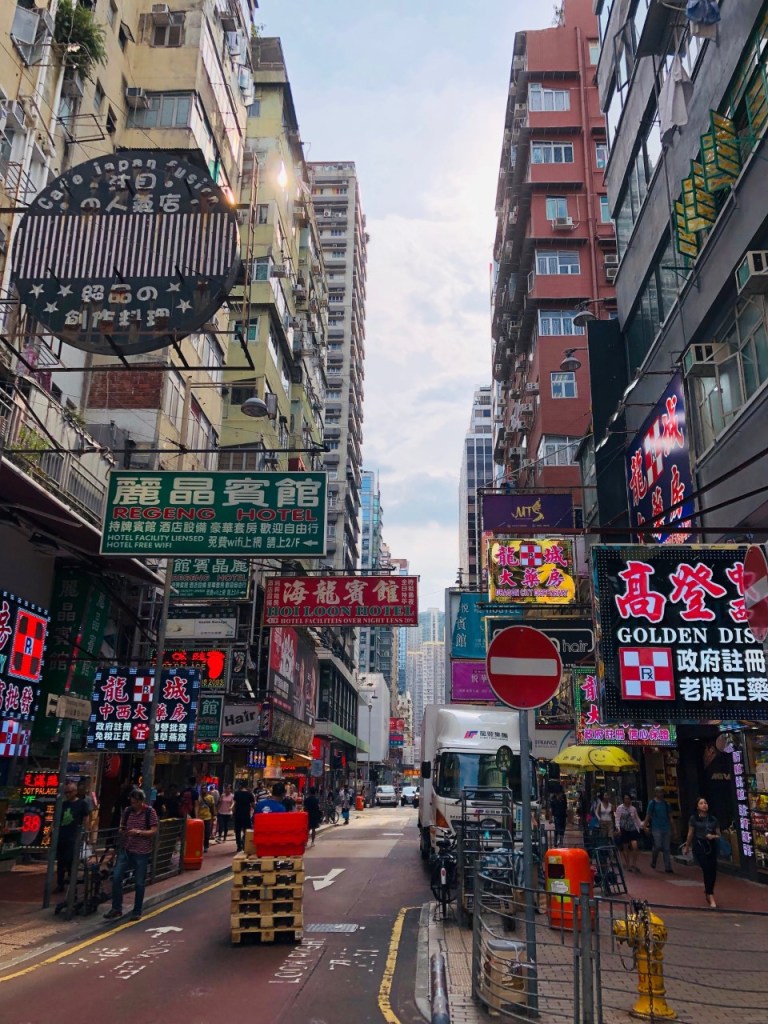
I felt immensely grateful for Paul’s kindness, knowledge, and unwavering patience throughout the day. Despite my constant photo-taking and creating mini clips, he handled it all with ease.
The insights into Hong Kong’s culture that I gained under his guidance were invaluable, making me appreciate the experience even more. Initially, I thought the day’s expense was relatively high, but by the end of my stay in Hong Kong, I came to realise that the cost of living in the city is indeed quite steep. On a different note, I was taken aback by the limited proficiency in spoken English among the locals, with some individuals not conversing in English at all. This surprised me, considering Hong Kong’s British background. We concluded the day at 6 pm, both tired and content, having gained profound insights from Paul’s guidance.
Exploring the Pulse: A Night on the Town in Hong Kong
HKG Kowloon Hotel
Staying true to my “feed two birds with one scone” travel approach, I utilised the opportunity to conduct hotel inspections in Hong Kong, aiming to provide valuable feedback to my colleagues in the UK. Alongside my cousin, we explored a centrally located hotel near Nathan Road, surrounded by trendy shops, and restaurants, and near the famous Victoria Harbour. However, my impressions leaned towards the critical side as I found the hotel, boasting over 500 rooms, to be excessively large, resulting in a diminished personal service experience. Notably, the absence of a fitness centre or swimming pool on-site raised concerns, as these amenities were outsourced from the nearby YMCA building.
.
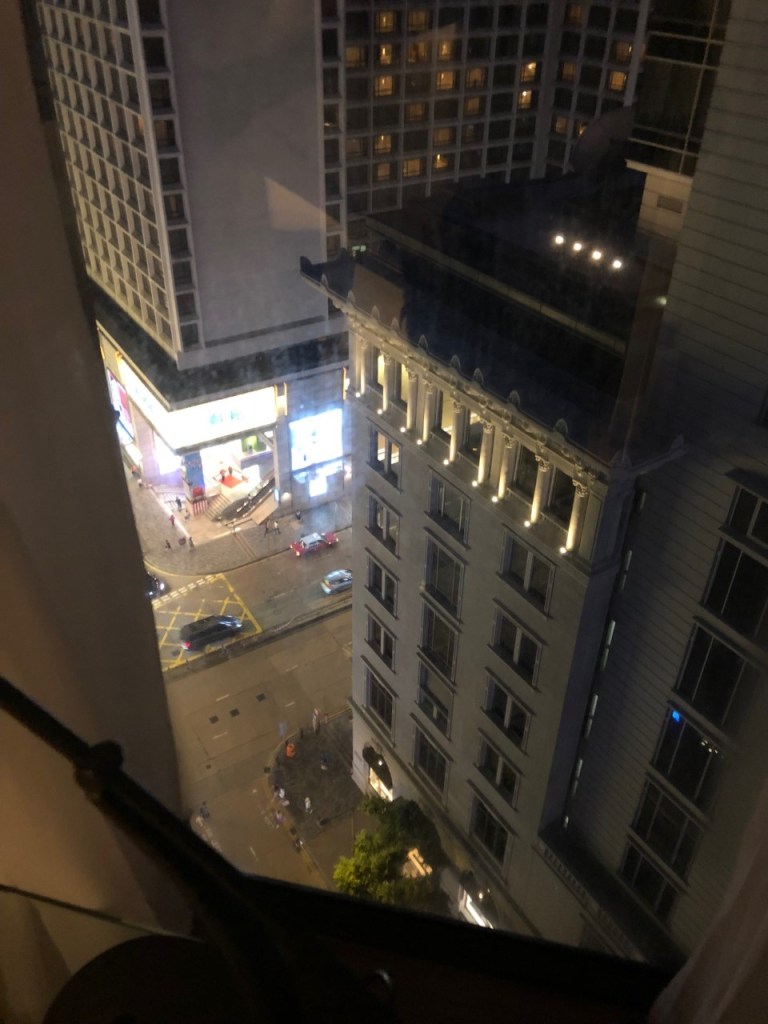
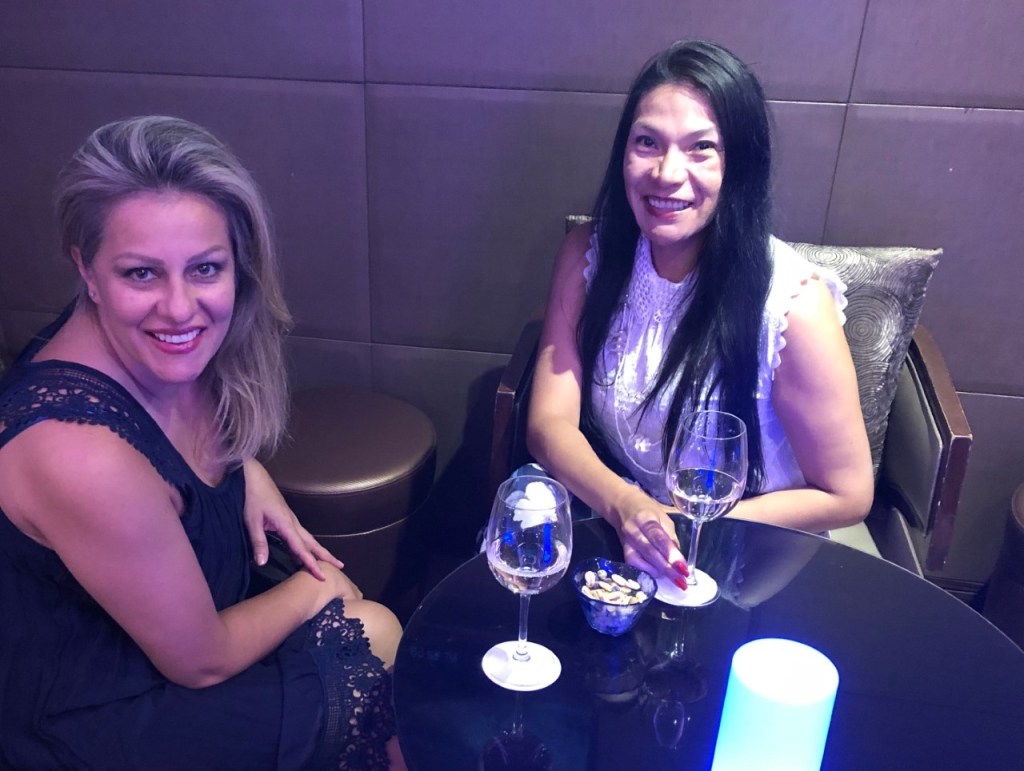
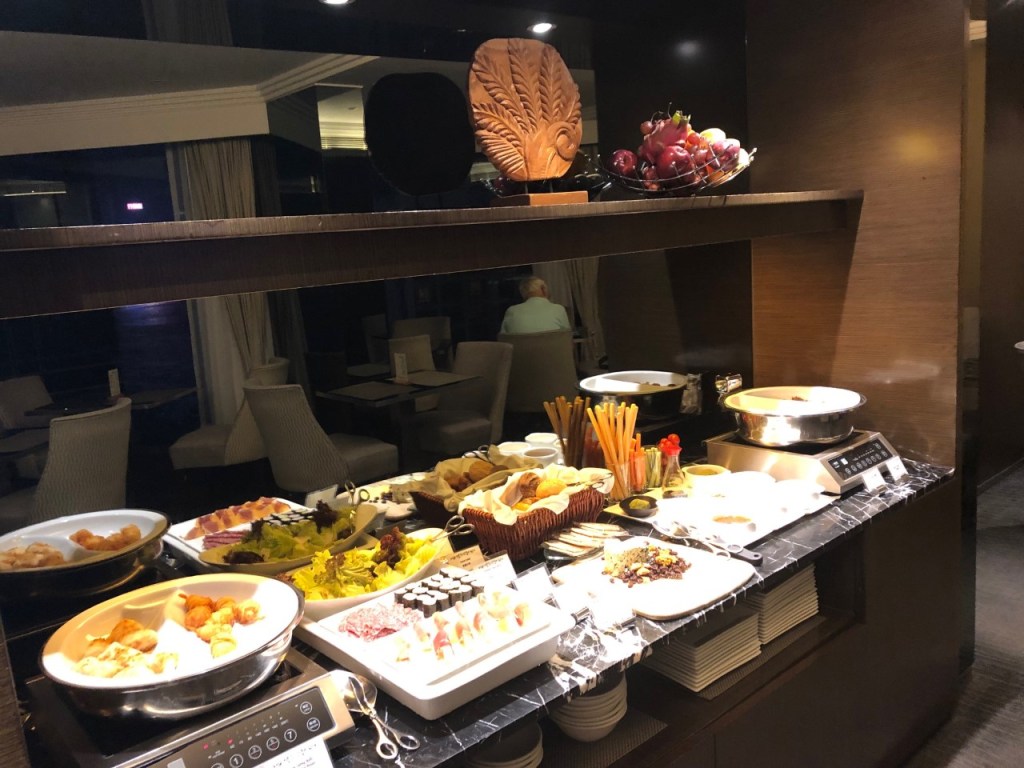
The rooms left much to be desired, lacking in appeal with a basic set of amenities and an overall gloomy ambiance. If you’re inclined to enjoy a drink and dinner, the hotel has two restaurants, including a buffet option priced at GBP55 per person, which I found to be a commendable choice. However, when it comes to accommodation, I wouldn’t recommend staying here.
Instead, we opted for a delightful night walk through the bustling streets, making spontaneous stops along various streets. To my pleasant surprise, we encountered a captivating sculpture by the Colombian artist Fernando Botero, “The Reclining Woman,” situated just outside the Peninsula Hotel.


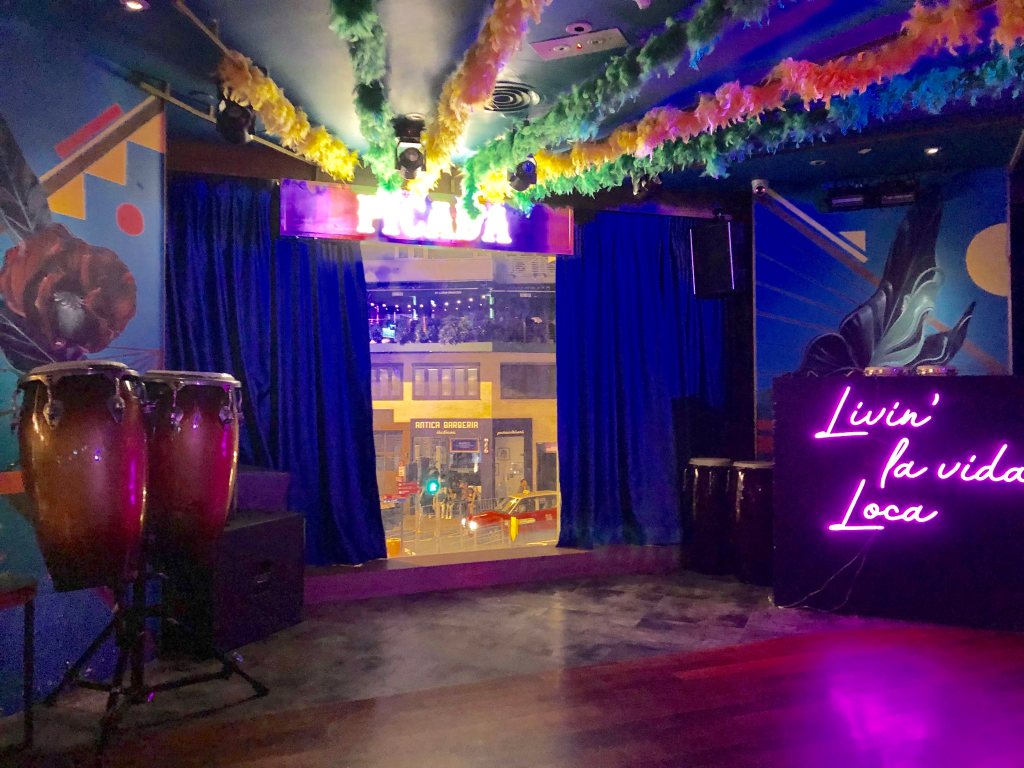
To conclude our evening on a high note, we immersed ourselves in the vibrant world of salsa dancing at a local club near the lively Wyndham Street.

Clear Waters Bay Beach
The following day, we embraced a family day out with the little one at the quaint and cosy Clear Waters Bay sandy beach. This hidden gem, off the beaten track, treated us to a wonderfully peculiar mix of sunshine, showers, and clouds, creating a beautiful and memorable day at the beach.

Airport & Good Bye Hong Kong
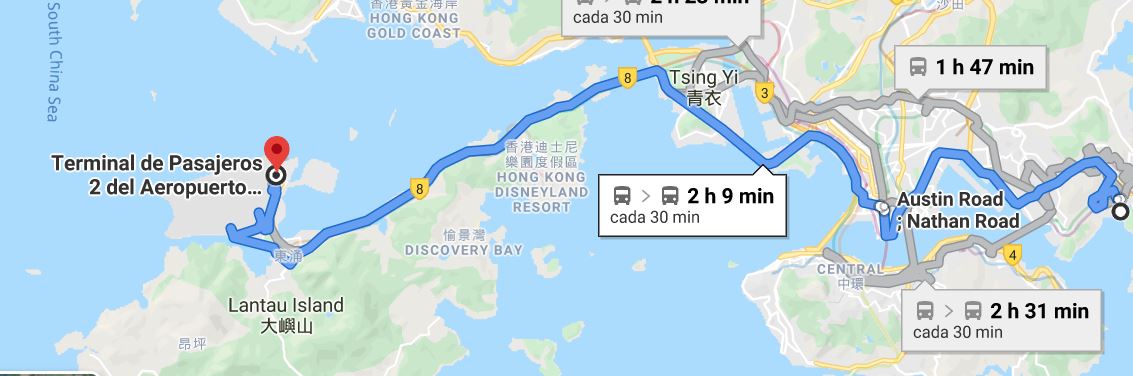
On the following day, we made our way to the airport for our next destination: Tokyo. Fortunately, I stumbled upon an affordable local bus service from Tseung Kwan O, costing a mere GBP3 per person, a stark contrast to the private taxi option, which could have set me back at least GBP100.
The journey to Hong Kong International Airport (HKG) was quite extensive, situated on the reclaimed land of Chek Lap Kok Island. Its sheer size rivals that of Heathrow Airport, making it a crucial hub for flights connecting to various destinations in China and the wider Asian region.


In this short clip, my little one is joyfully exploring the interior of the Midfield Concourse, located to the west of Terminal 1 between the existing runways. We accessed it through the underground automated people mover. Hong Kong Airlines, our chosen airline for the day as we journey to Tokyo, has been utilizing this space since its inauguration in 2015.
“Life in Hong Kong transcends cultural and culinary borders, such that nothing is truly foreign and nothing doesn’t belong.” Peter Jon Lindberg.
Thanks a lot for reading.
Love
❤️
From Jenny
 Jenny Sky Is The Limit
Leave a comment