Bogotá, often referred to as ‘the Athens of South America,’ is a captivating city situated at an elevation of 2,600 meters above sea level. Nestled in the eastern mountain range of the Colombian Andes, it boasts a breathtaking location.
This city, rich with controversies and diversity, dances to a frenetic and vibrant rhythm every day. It is a place where, since time immemorial, an abundance of species has called home. Millennia ago, mastodons freely roamed this land, imprinting their giant steps on the pages of history and geography

This city, chaotic yet wonderful, bears the spirit of the Muisca culture, where contrasts abound. It’s a place that increasingly captivates both locals and foreigners, echoing the same captivating contrasts that defined the powerful indigenous world led by the Zipa and the Zaque.
This writing is an inspiration from my homeland and its myriad protagonists, especially those who have woven themselves into the fabric of my own history. Rooted in my day-to-day experiences, strolls through familiar landscapes, and the profound teachings of Diana Uribe, this narrative is also shaped by extensive conversations with my brother, Beto, our discussions often aimed at “solving the world’s conflicts.” Few people truly grasp the intricate duality of my personality, and he happens to be one of them.
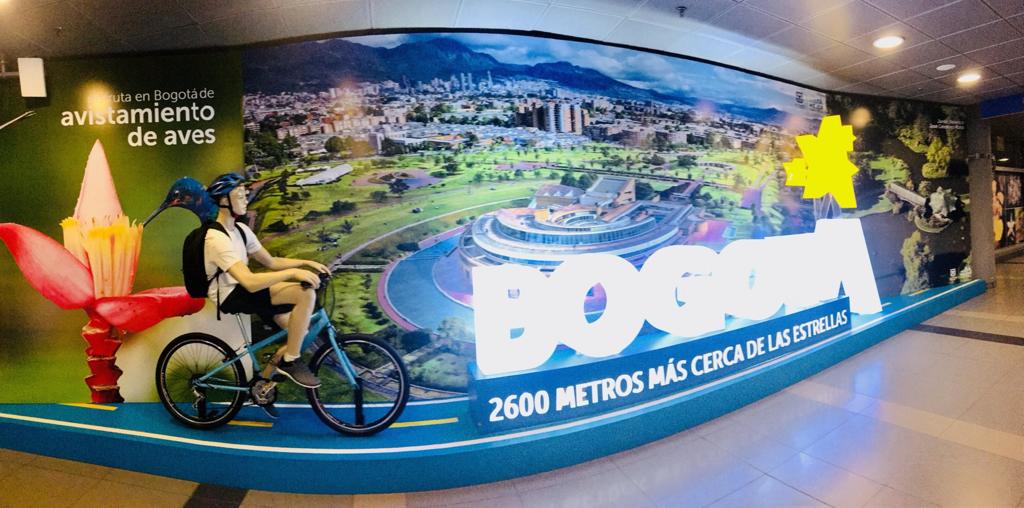
I must also commend a fantastic guidebook, a thoughtful gift from my friend Tito, “Bogotá Turística,” crafted by the District Institute of Tourism. I wholeheartedly recommend it! This guide proves to be superb, offering a precise and delightful portrayal of the modern, diverse, and culturally rich city. It brilliantly captures the essence of Bogotá, presenting details in a clear graphic manner.
CITY LOCATION
Colloquially dubbed “the fridge,” Bogotá earns this moniker by perching at an exact elevation of 2,640 meters above sea level. Nestled mystically on a lush plateau, southeast of the Andes Mountains, within the enchanting region known as El Altiplano Cundiboyacense, the city commands a unique and captivating presence.
To the east, Bogotá is framed by the Eastern Hills, a majestic range running from south to north, giving rise to the prominent peaks of Monserrate and Guadalupe at the city’s centre. The western boundary is marked by the meandering Bogotá River, while to the south, the city meets the expansive Sumapaz Páramo. Stretching northward, Bogotá extends its reach to the charming towns of Chía and Sopó.

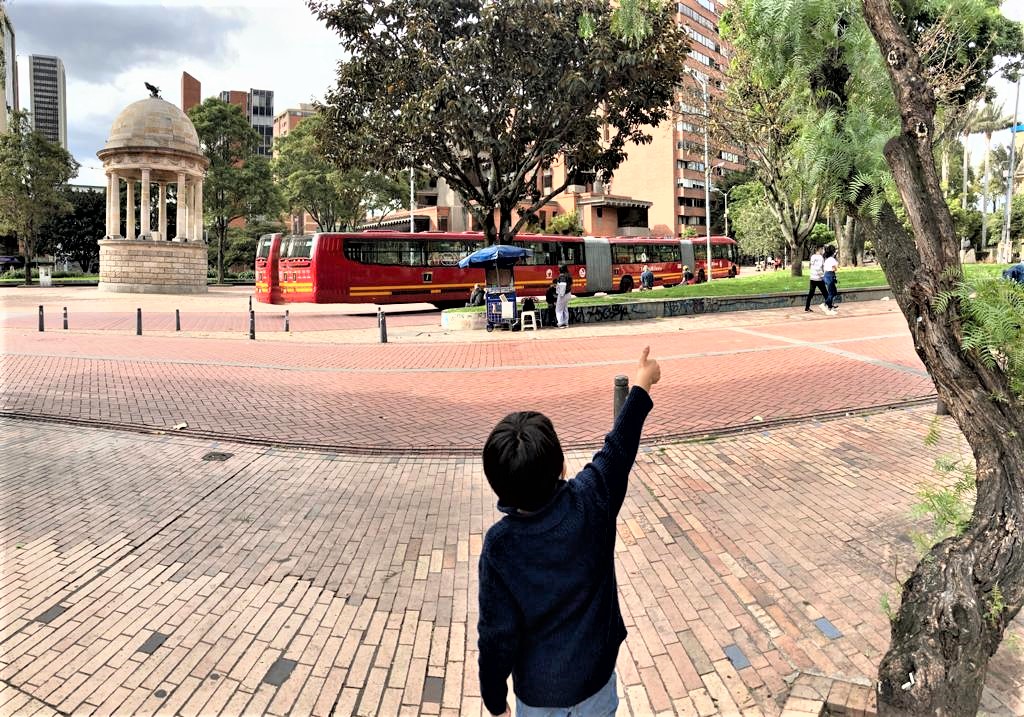
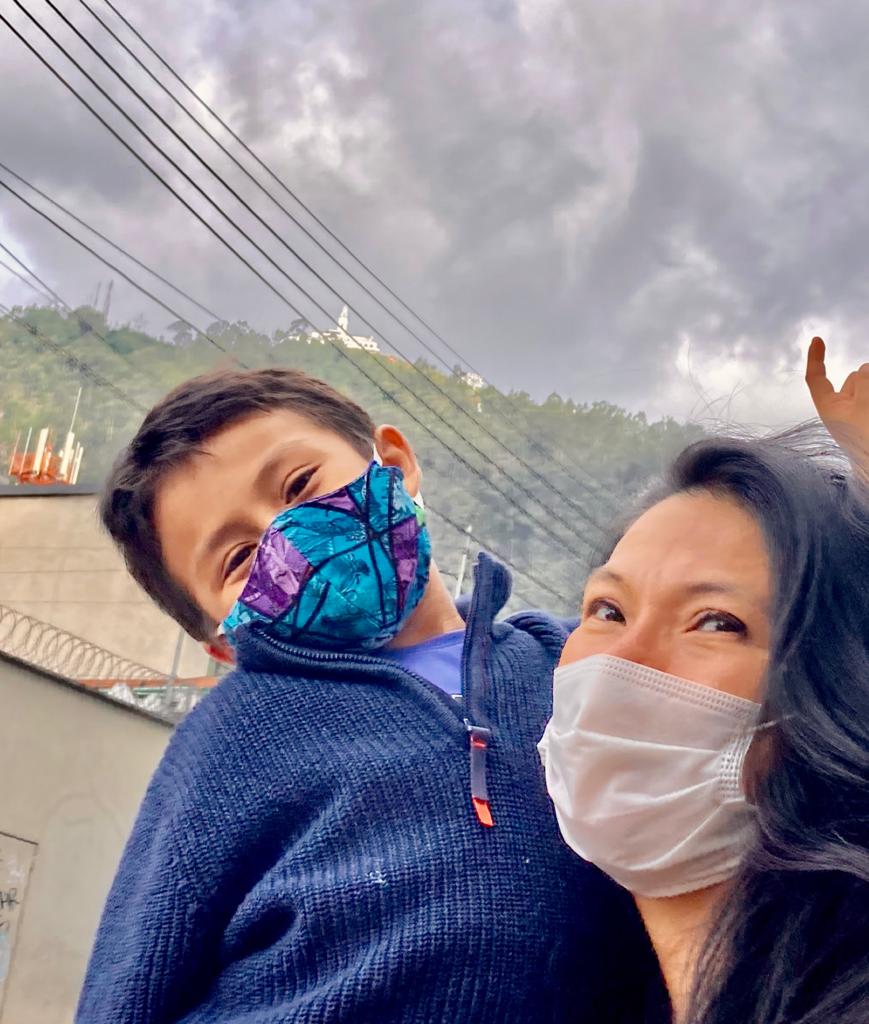
Navigating Bogotá becomes a breeze, thanks to the Eastern Hills serving as reliable landmarks. If, amid the city’s bustling rhythm, you happen to lose your way, remember this simple guide: Calles run parallel to the hills, while Carreras intersect them at right angles. So, if you find yourself a bit disoriented in search of an address, take a moment to pause, gaze at the horizon, observe the hills, and consider the matter resolved.
Due to its altitude, many perceive Bogotá as a supercold city. However, my perspective shifted after enduring winters in London, where my cheeks tend to turn into reddish blocks akin to Heidi, Girl of the Alps. Now, I embrace Bogotá’s climate as pleasantly mixed. The city surprises with bright, sunny mornings under clear, intensely blue skies. Yet, afternoons can take a turn, enveloping the city in grey clouds and torrential rain, occasionally punctuated by thunderstorms that unmistakably remind you that you’re in Bogotá.
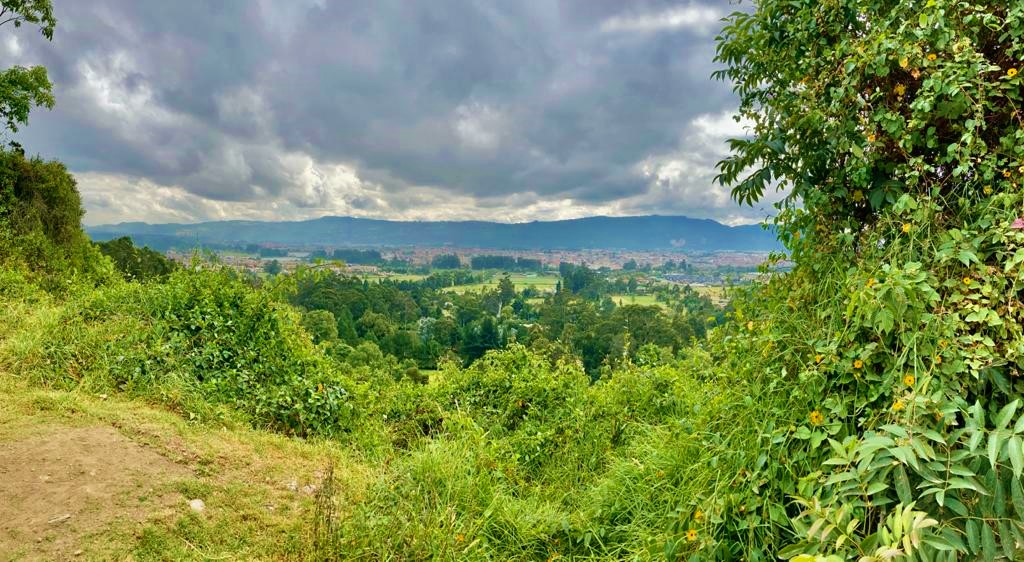
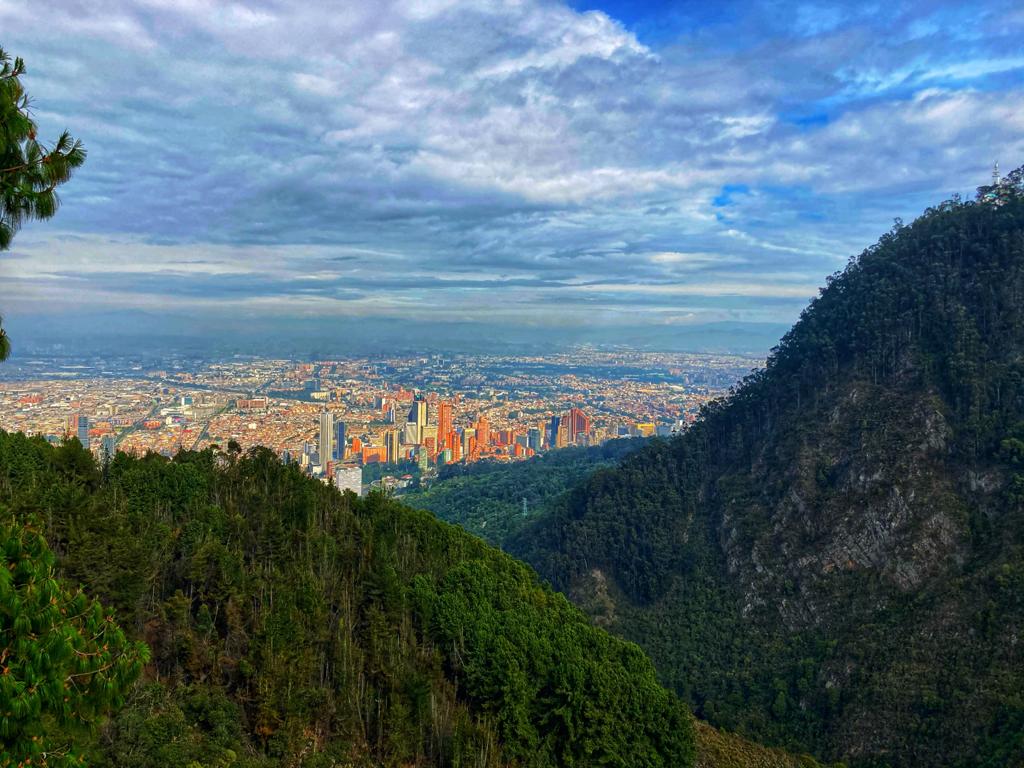
Prepare for these weather variations by packing essentials: sunscreen, sunglasses, a jacket, and an umbrella. These changes are not confined to a particular week or month; in Colombia, climate shifts are influenced by geography rather than the quarterly seasons typical in Europe. So, stay flexible and ready for surprises!
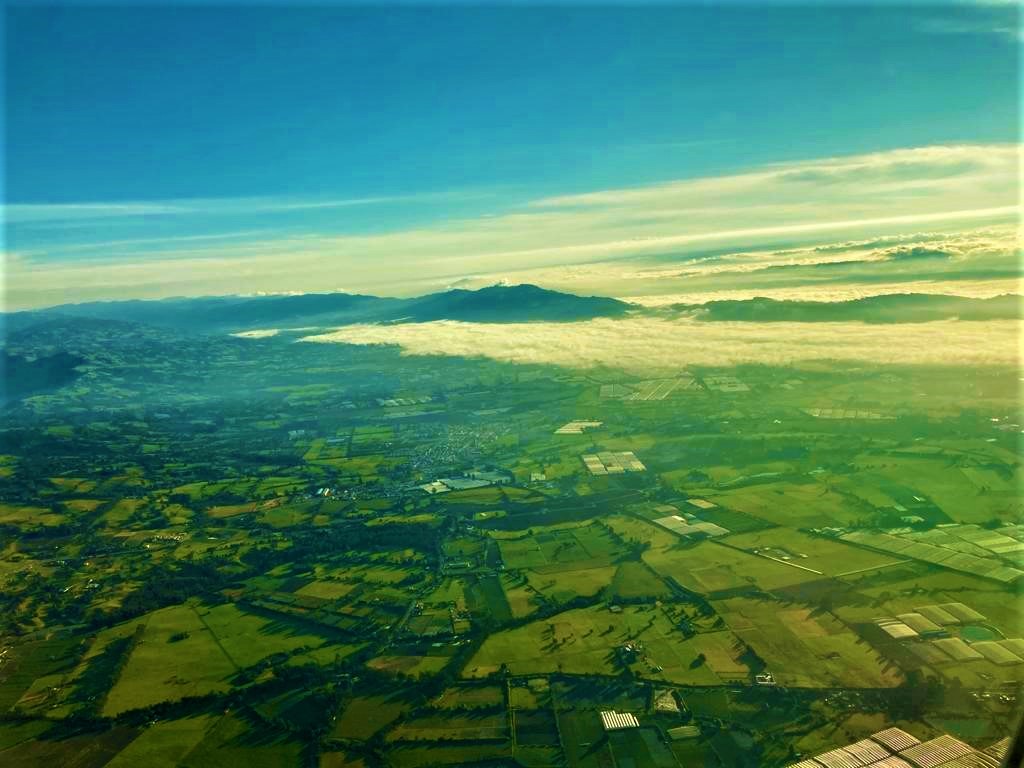
For first-time visitors to Bogotá arriving by air, I highly recommend reserving a window seat with your airline or travel provider (rest assured, if it’s me, I’ll make sure of it!). This offers a mesmerizing opportunity to witness the breathtaking sight of the city, gracefully nestled on the stunning plateau, surrounded by the undulating landscape of the hills.
GEOGRAPHY OF BOGOTA: THE FOUNDATIONAL KEY
It’s worth contemplating the arrival of the Spanish to this land and their realisation of its topographical blessings, such as the one I’m about to share. Have you ever wondered how they strategically selected this point for the central city axis? Allow me to reveal the fascinating origin. It all began with the Rio San Francisco, formerly known as “Vicacha,” translating to the “glow of the night.” This river played a pivotal role in inspiring the vision that shaped the city we know today.
Naturally carving a line through the city with its riverbed, the Rio San Francisco serves as a geographical divider between the north and south. Originating in the Paramo Cruz Verde, the river follows its course, flowing towards Monserrate hill. Over the years, a network of pipes has been meticulously constructed to channel its waters into the city, ensuring a vital supply of water for Bogotá.

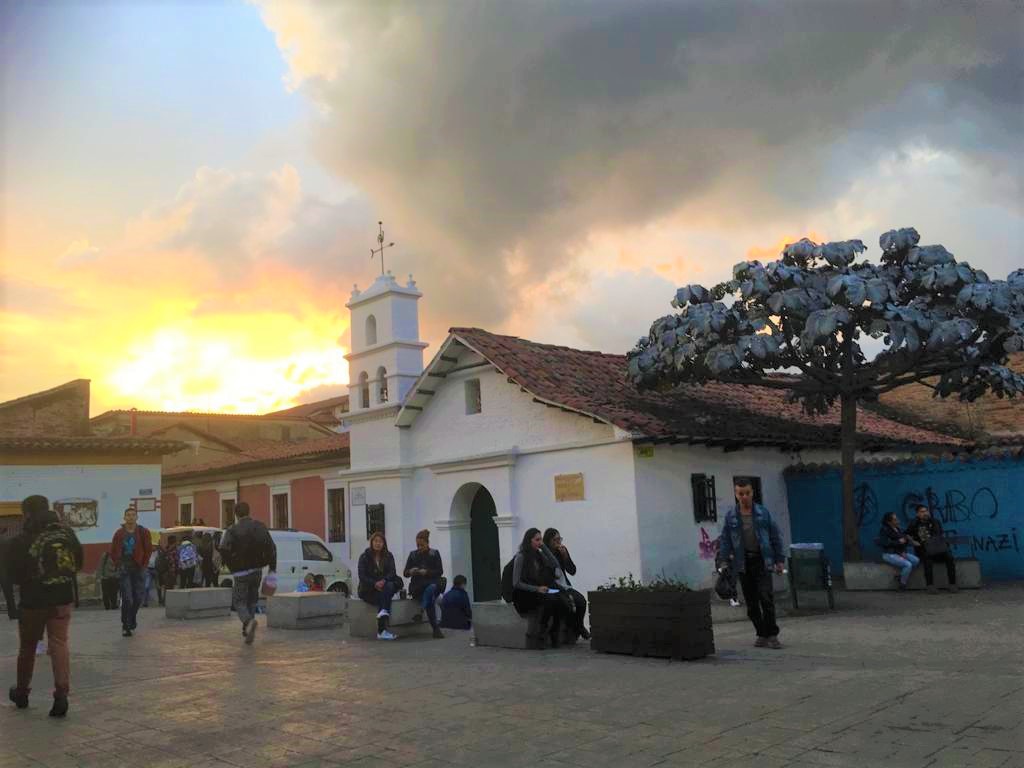
In the present day, this region has become a vital part of Bogotá’s environmental axis, known as the Eje Ambiental, situated on Calle 13 with Jiménez Avenue. Here, the visible Rio San Francisco intersects with the unseen San Agustín River, which flows beneath the city. It’s truly fascinating to grasp that the convergence of these two rivers, the San Francisco and San Agustín, played a pivotal role in determining the city’s founding location. Their significance as historical and social axes is undeniable. I imagine the Spanish conquistadors, enchanted by the strategic geographical advantages, establishing their central office for viceroyalty affairs and relishing the benefits of the region’s unique geography.

It’s essential to recognise that in pre-Spanish Bogotá, immense ancestral knowledge thrived. The Bogotá River held great significance, with indigenous inhabitants viewing its waters as a divine gift. Offerings and rites of gratitude or purification were common practices. The river was known as “Funza,” a Chibcha term symbolizing “powerful man.” Its importance extended beyond spiritual reverence; the Bogotá River ultimately flows into the Rio Magdalena, Colombia’s primary river, stretching northward for approximately 1,500 kilometres. This connection was of immense importance both in the ancestral and colonial worlds, as all external communications relied on fluvial routes during that era. The river served as a crucial link, shaping the cultural, spiritual, and logistical aspects of the region.
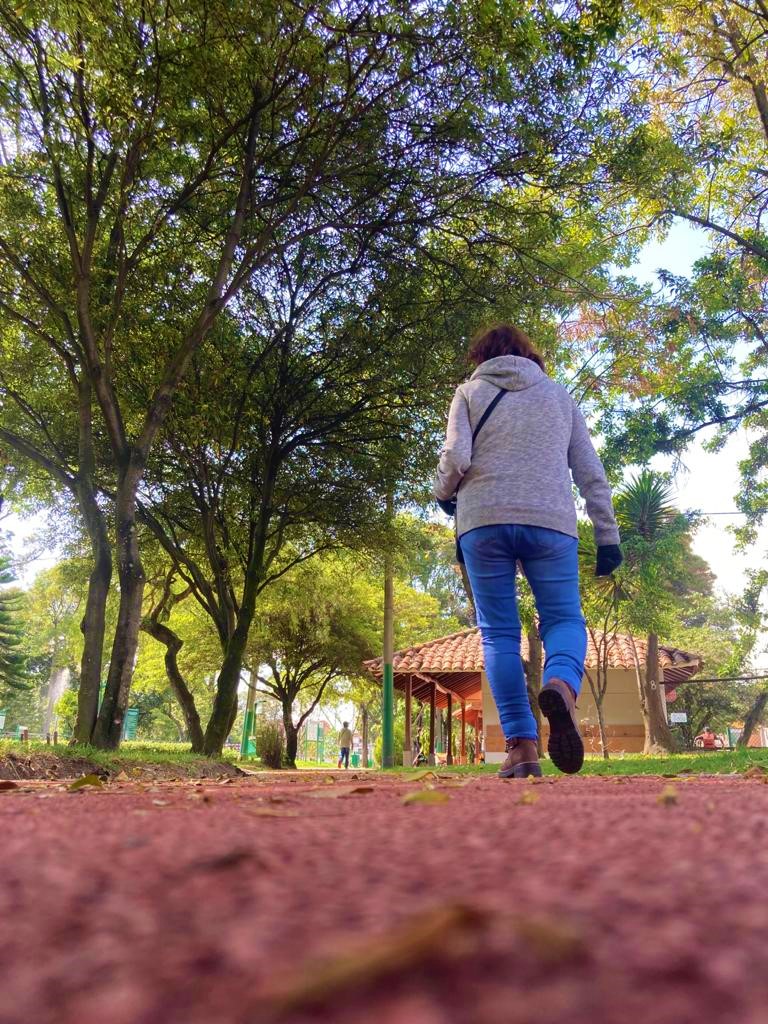
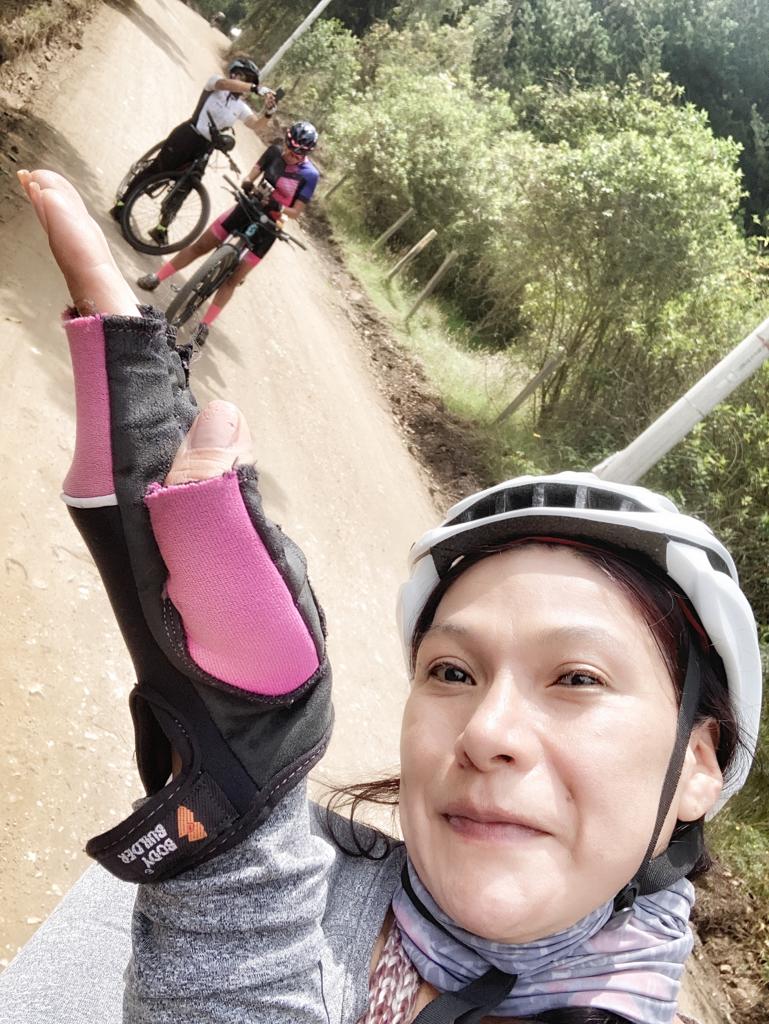
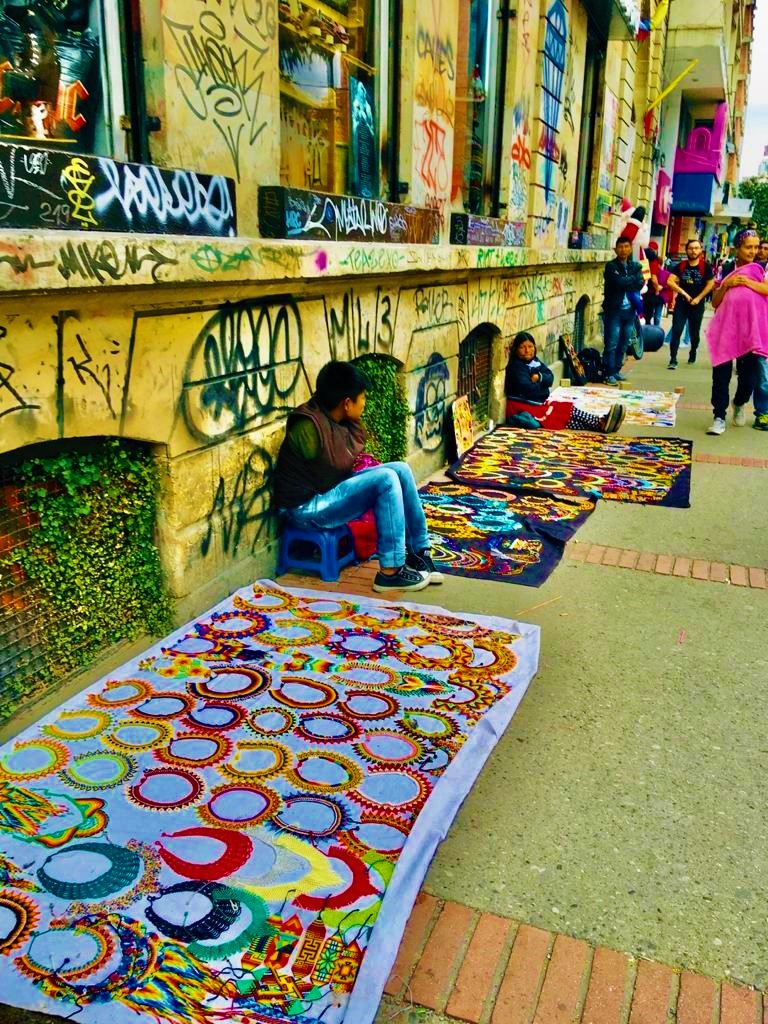
The historical founding date of Bogotá, August 6, 1538, marked by Gonzalo Jiménez de Quesada, resonates nearly five centuries later. In present-day Bogotá, one can still immerse themselves in the distinct indigenous-colonial fusion that defines the city. Visitors and locals alike have the opportunity to revel in the living history of this cosmopolitan hub, a place rich in culture, diversity, and art. Bogotá offers a tapestry of possibilities, where the echoes of the past harmonize with the vibrant pulse of the present.
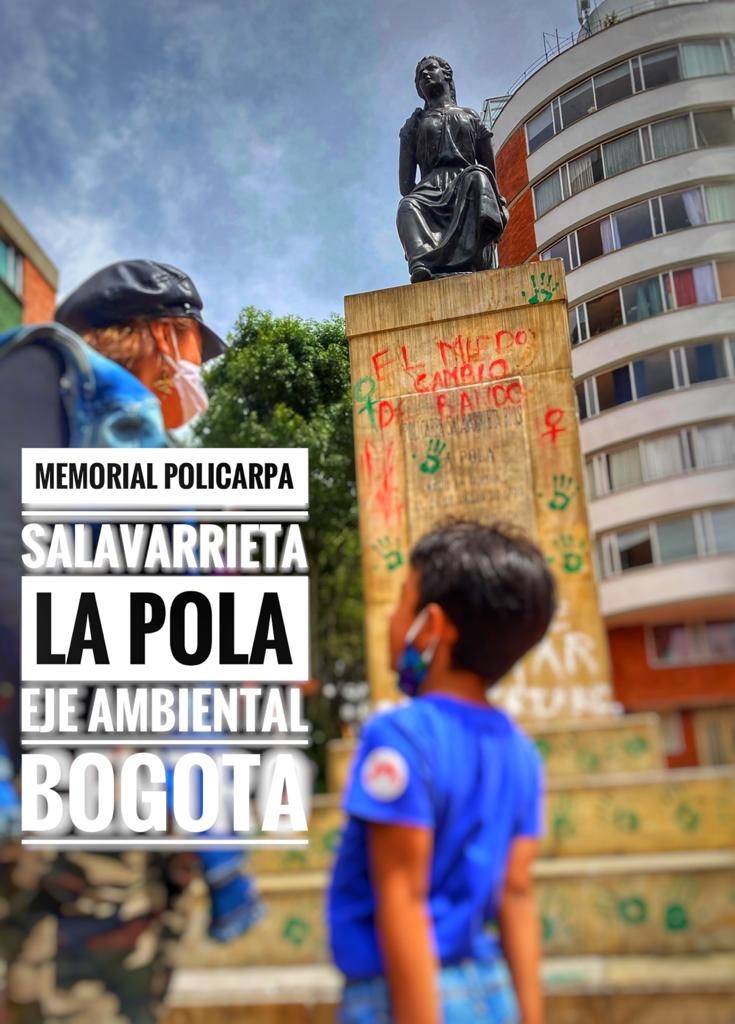
Thank you very much for reading my blog, and I will continue part 2 soon.
“Because talking about Bogota means talking about an intriguing culture rooted in its ancestors but that dances to the rhythm of the incredible modernity of its happy people.” Jr
🙏
Jenny from JR Bespoke Travel
 Jenny Sky Is The Limit
Leave a comment